Siddique Bappee
Oniket Research Group
Power Generation Structure: Figures and Reality
The electricity sector in Bangladesh is currently at a crucial juncture of capacity expansion, fuel diversification, and a transition to renewable energy. According to the government agency, the Bangladesh Power Development Board, there are approximately 136 grid-based power plants in the country. However, the total number of plants, including captive and off-grid facilities, exceeded 150-180.
Bangladesh’s total installed generation capacity is approximately 32,000 MW. Of this, the share of renewable energy is very limited, at around 4-6% (mainly solar and hydropower). In contrast, approximately 94-96% of electricity comes from non-renewable sources based on gas, coal, and oil.
Demand versus Generation: The Real Reasons for the Shortfall
A shortfall still exists between daily electricity demand and generation. On average, the country’s daily demand is around 15,000 MW, but generation remains between 14,000 and 14,400 MW. The peak demand reached approximately 16,794 MW in 2025. This raises the key question: even with a generation capacity of 32,000 MW, why is it not possible to supply that amount of electricity every day?
The reasons for this are: not all power stations are running at once(due to fuel shortages, maintenance), limited gas supply, the high cost of running oil-based plants, and some plants are operating at partial capacity.
On the other hand, electricity is an instantaneous, consumable product. It must be used as soon as it is generated, as it cannot be stored on a large scale in the conventional grid. Consequently, when demand is low, electricity is wasted, and when demand is high, a shortfall arises. This also impacts on the telecommunications sector; as load-shedding increases, mobile towers run out of backup power, weakening the network.
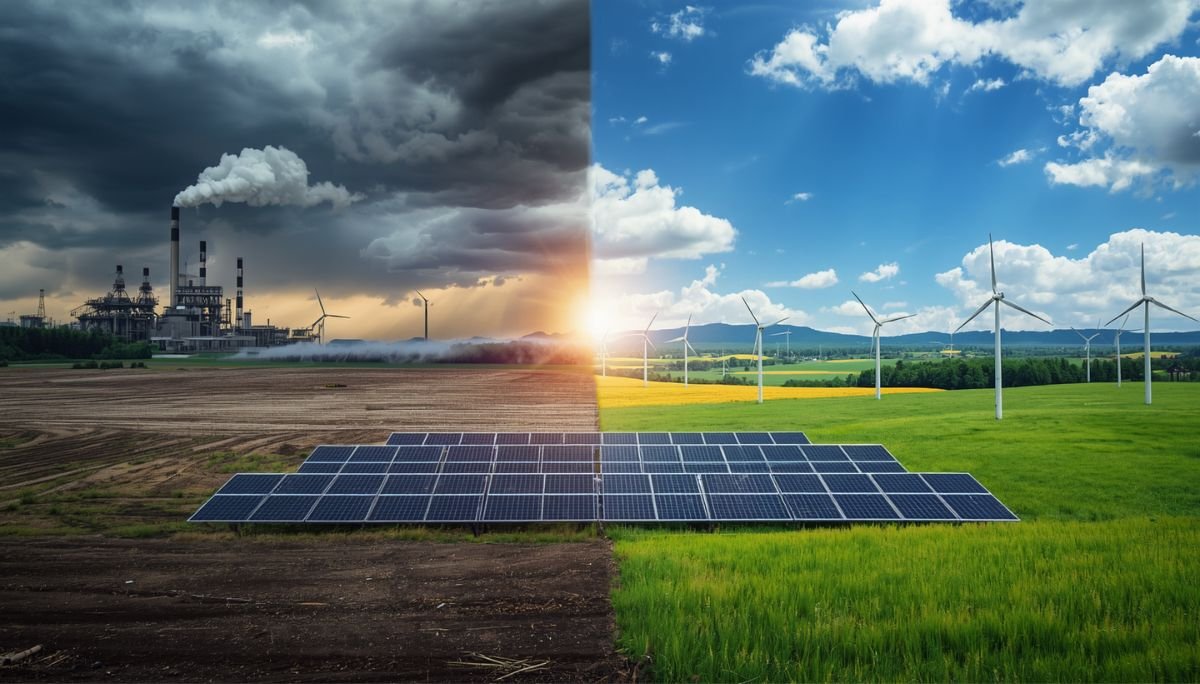
Transition to Renewable Energy: Opportunities and Pressures
Financial Pressure – Large-scale solar and wind projects require substantial investment, which could increase foreign debt.
Technological Pressure – Renewable energy is intermittent(dependent on sun and wind), so battery storage and smart grids are required. However, these are costly.Land scarcity, in a densely populated country like Bangladesh, it is difficult to secure sufficient land for large-scale solar projects.
Political pressure – A rise in electricity prices can lead to public discontent.
Contractual complexities, Existing power purchase agreements (PPAs) A major hurdle. The complexities surrounding payments and contracts for imported electricity are an example of this.
International Experience: Successes and Failures
India has been successful in rapid renewable expansion and low-cost power generation. Germany, a leader in renewable energy, has faced the challenge of high electricity prices. China, the world’s largest solar producer, remains dependent on coal, indicating a ‘blended fuel’ model. Conversely, in Pakistan, renewable projects have stalled due to policy weaknesses and economic crises. In some African countries, projects have failed due to a lack of infrastructure and good governance.
Future Solutions: Storage and Technology
Lithium battery-based energy storage technology is gaining importance worldwide to overcome the limitations of renewable energy. In 2025, total lithium battery production in China reached approximately 1,755 gigawatts, of which 1,122 gigawatts were produced between January and September alone; Currently, China controls around 85% of global lithium battery production, roughly ten times that of the United States. This is why China is leading in grid flexibility and the global energy transition. Although challenging and costly for a developing country like Bangladesh, it is by no means impossible in the long term.
Conclusion
Bangladesh’s power sector is still dependent on fossil fuels, but a shift towards renewable energy is inevitable. To make this transition a success, a combination of financial capacity, technical expertise, good governance, and long-term planning is essential. Otherwise, despite having generation capacity, the power crisis and weaknesses in the related sectors will continue to persist.