
Sumaiya Hasi
Oniket Research Group
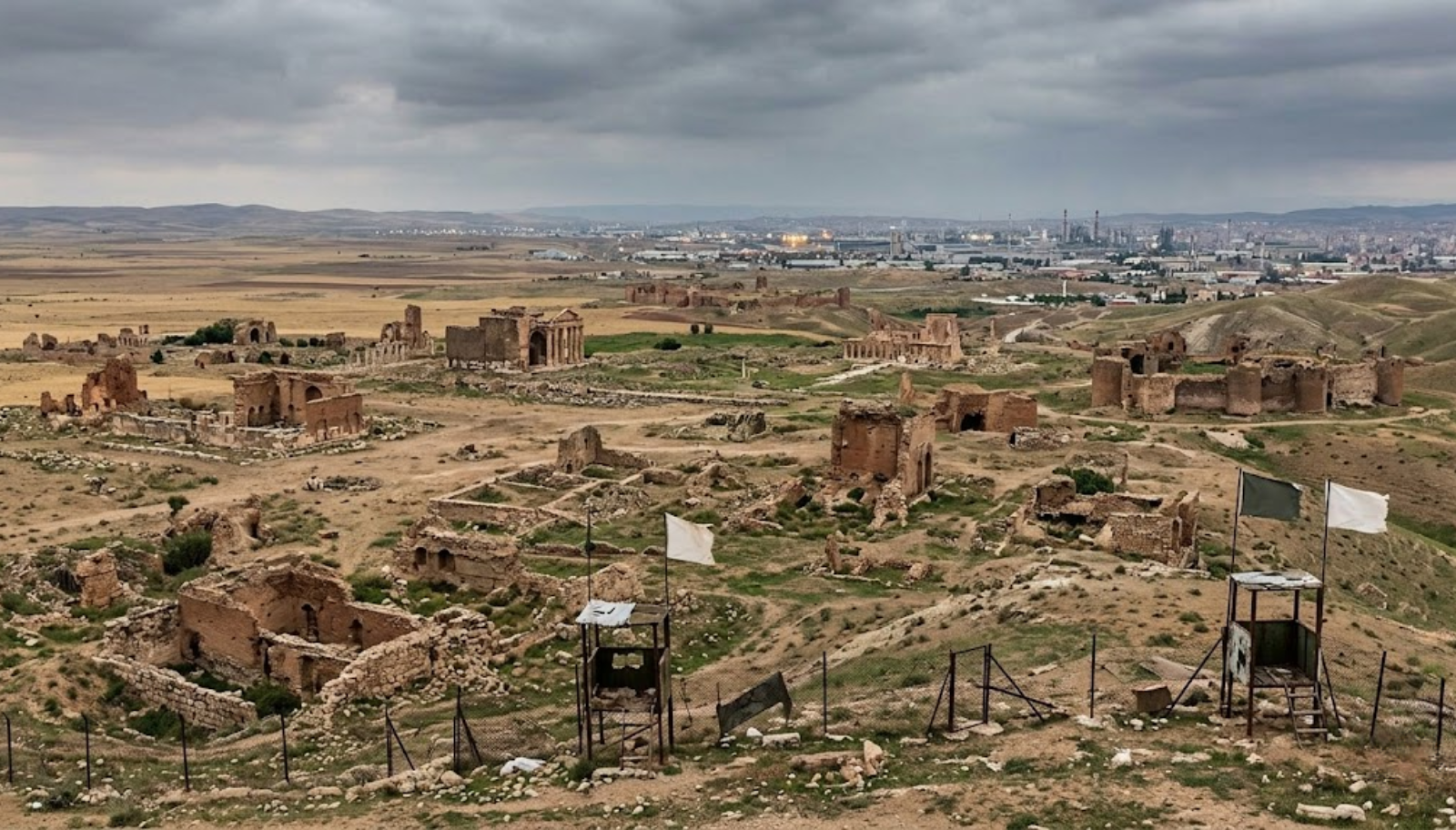
From Mahasthangarh to Wari-Bateshwar-Bangladesh, a living museum of millennia-old civilization, is now confronting a grave policy vacuum. More than 500 registered archaeological sites and invaluable national heritage assets are standing on the verge of destruction due to outdated legal frameworks, severe institutional paralysis, and unchecked smuggling and encroachment. Experts warn that without immediate structural reform, these roots of national identity may disappear forever.
Outdated Law: The Greatest Obstacle to Preservation
The country still relies on the Antiquities Act of 1968, enacted during the Pakistan era, as the principal legal foundation for archaeological preservation. In the face of contemporary challenges, this legislation has become entirely obsolete and ineffective.
Restrictive Definition: Under the existing law, only structures older than 100 years qualify for protection, a limitation that contradicts modern concepts of heritage conservation.
A Toothless Framework: Since the responsibilities of law enforcement agencies in preventing the smuggling or illegal occupation of antiquities remain undefined, the law has little impact at the field level.
Digital Deficiency: The antiquated legislation contains no provisions to address digital fraud or modern methods of international trafficking in cultural artifacts.
Archaeology Department Crippled by Staff and Budget Shortages
The current condition of the Department of Archaeology reflects deep institutional stagnation caused by acute financial and administrative crises.
26% of Posts Vacant: Out of 499 approved positions within the department, 131 posts, equivalent to 26 percent, remain vacant. With only four divisional offices overseeing heritage sites across the entire country, effective supervision has become nearly impossible.
Severe Financial Constraints: The allocation for the Ministry of Cultural Affairs in the national budget is so limited that scientific excavation and modern site maintenance have become distant aspirations.
Outdated Museums: The country’s 22 museums continue to depend on conventional exhibition methods. Effective digital documentation and audio-visual presentation systems remain largely absent.
Present State of the Department of Archaeology
Total Posts Vacant Posts 499 131 (26%)
Supervisory Offices Museums Nationwide
Only 4 22 (largely outdated)
Smuggling, Encroachment, and Institutional Failure
Political instability and inadequate administrative oversight have pushed the nation’s archaeological resources into extreme vulnerability.
Cross-Border Smuggling: Concerned observers fear that, taking advantage of the political transition in August 2024, a substantial number of valuable artifacts were smuggled abroad through the Sapahar and Porsha border areas of Naogaon.
Encroachment and Urban Expansion: Rapid and unplanned urbanization has exposed many archaeological locations to illegal occupation and unauthorized construction.
State Negligence: Government institutions themselves have become symbols of policy failure. Offices have been established inside historically significant sites such as the Lakhutia Zamindar Bari without regard for heritage preservation principles.
Future Roadmap for Overcoming the Crisis
Protecting the nation’s past for future generations requires far more than temporary adjustments; comprehensive reform has become essential. Specialists emphasize four major priorities:
Legal Reform: The 1968 law must be completely rewritten to include stringent anti-smuggling measures and updated definitions covering digital heritage.
Cultural Economy: Following models adopted by countries such as India and Thailand, archaeological tourism should be recognized as a significant contributor to national GDP.
Technological Investment: Every archaeological site in the country should undergo 3D scanning and digital mapping.
Public Participation: Local communities must not remain passive spectators; they should become direct stakeholders in site management and preservation.
Bangladesh’s archaeological wealth is not merely a tourism asset; it represents the very roots of our national existence. Protecting those roots demands strong political commitment and substantial investment from the government. There is no longer any time left for delay.
Keep reading… A Festival of Colour in the Land of Sunshine: Festive Bangladesh