Naima Onamika
Commissioning Editor, The Oniket Bulletin
In the past decade, Bangladesh has experienced unprecedented growth in digital technology. The expansion of internet access, widespread availability of smartphones, and the popularity of social media have opened new opportunities in social and economic life. Social media now plays an important role in communication, business, education, and civic engagement. However, behind this digital revolution, several social changes are emerging that are raising growing concerns about family stability, social harmony, and mental health.
According to experts, social media is no longer just a platform for sharing information. It is deeply influencing human relationships, behaviour, and social reality. As a result, both its positive and negative impacts now require closer evaluation. Several negative trends linked to social media use deserve detailed attention.
Digital Influence and New Marital Challenges
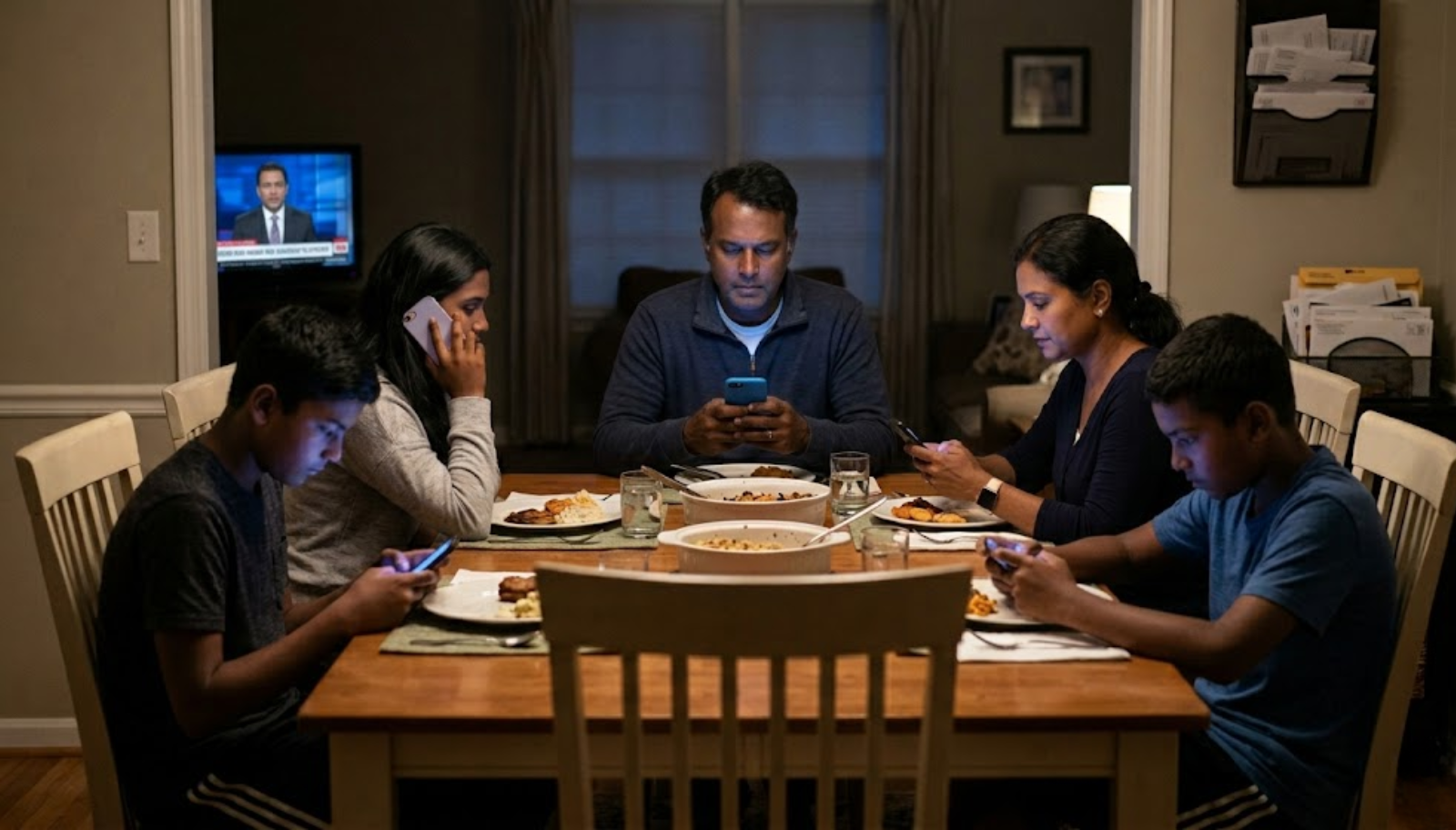
In Bangladesh’s social structure, the family has long been considered the most important institution. However, in recent years, increasing distrust in marital relationships, communication gaps, and rising divorce cases have drawn attention to the role of social media. Platforms such as Facebook, Messenger, WhatsApp, and other private messaging services have made communication easier than ever before. At the same time, they have also created new spaces for secret communication, identity concealment, and the formation of private relationships.
In many cases, these interactions develop into emotional relationships or extramarital affairs, which contribute to family instability. Sociologists believe that urbanisation, busy working lives, overseas employment, and changes in family structure have created emotional distance within families. Social media often fills that gap. However, these alternative relationships frequently create trust issues in marriages. The impact is not limited to couples alone. Children and extended family members also suffer the consequences.
A Threat to Social Harmony
In a multi religious and multicultural society like Bangladesh, social harmony is a valuable national asset. However, rumours, provocative statements, and fake information spread through social media often pose a serious threat to this harmony. In recent years, it has been observed that unverified posts or allegations of religious disrespect can quickly trigger tension on social media. In many cases, rumours that begin online have led to real world violence, vandalism, and communal conflict.
Researchers note that information spreads so rapidly on social media that authorities often cannot respond in time to prevent escalation. Many users also share content without verifying its accuracy, allowing rumours to spread further. Experts believe that a lack of digital literacy and weak fact checking habits are increasing these risks.
Expansion of Cyber Crime
Along with the rise of social media, cybercrime has also increased significantly. Crimes such as personal data theft, fake identity creation, account hacking, online fraud, and digital blackmail are becoming more common. Women, adolescents, and young people are particularly vulnerable, with many experiencing misuses of personal photos or information. In some cases, criminals exploit personal relationships to extract money or exert psychological pressure.
Reports from law enforcement agencies show that online fraud and social media-based crimes have become one of the major challenges to national cyber security. As technology advances, the nature of crime is also changing, increasing the need for skilled personnel and modern technological tools.
Impact on Mental Health
One of the least discussed but most important impacts of social media is on mental health. Experts warn that excessive use of social media, online harassment, social comparison, and dependence on virtual approval are negatively affecting the mental wellbeing of the younger generation. Many users feel inadequate or unsuccessful when comparing their lives to the carefully presented lives of others online. This can lead to reduced self-confidence, anxiety, depression, and emotional distress.
At the same time, victims of cyberbullying and online humiliation often suffer long term psychological trauma. Mental health specialists note that excessive dependence on virtual relationships instead of real social interaction can also increase social isolation and loneliness.
Necessary Measures
Experts suggest that a multi-dimensional approach is needed to address the negative effects of social media. Key steps include:
- Introducing digital literacy education at school and college levels
- Increasing public awareness to identify fake news and misinformation
- Strengthening law enforcement capacity to combat cybercrime
- Expanding family counselling and mental health services
- Ensuring accountability of technology related companies
- Providing training on safe and responsible online behaviour for young people
Conclusion
Bangladesh’s digital progress is an important chapter in its development and modernisation journey. However, alongside the benefits of technology, its social consequences must also be carefully considered.Social media itself is not the problem. Rather, it is the lack of proper use, regulation, and social management that creates various challenges. To protect families, social harmony, mental health, and citizen security, the state, educational institutions, families, and technology companies must work together in a coordinated manner.
Otherwise, in this age of connectivity, the more people become connected online, the greater the risk that real life social bonds will continue to weaken.




Comment on “Social Media, Family Breakdown and Social Division”