
Sumaiya Hasi
Oniket Research Group
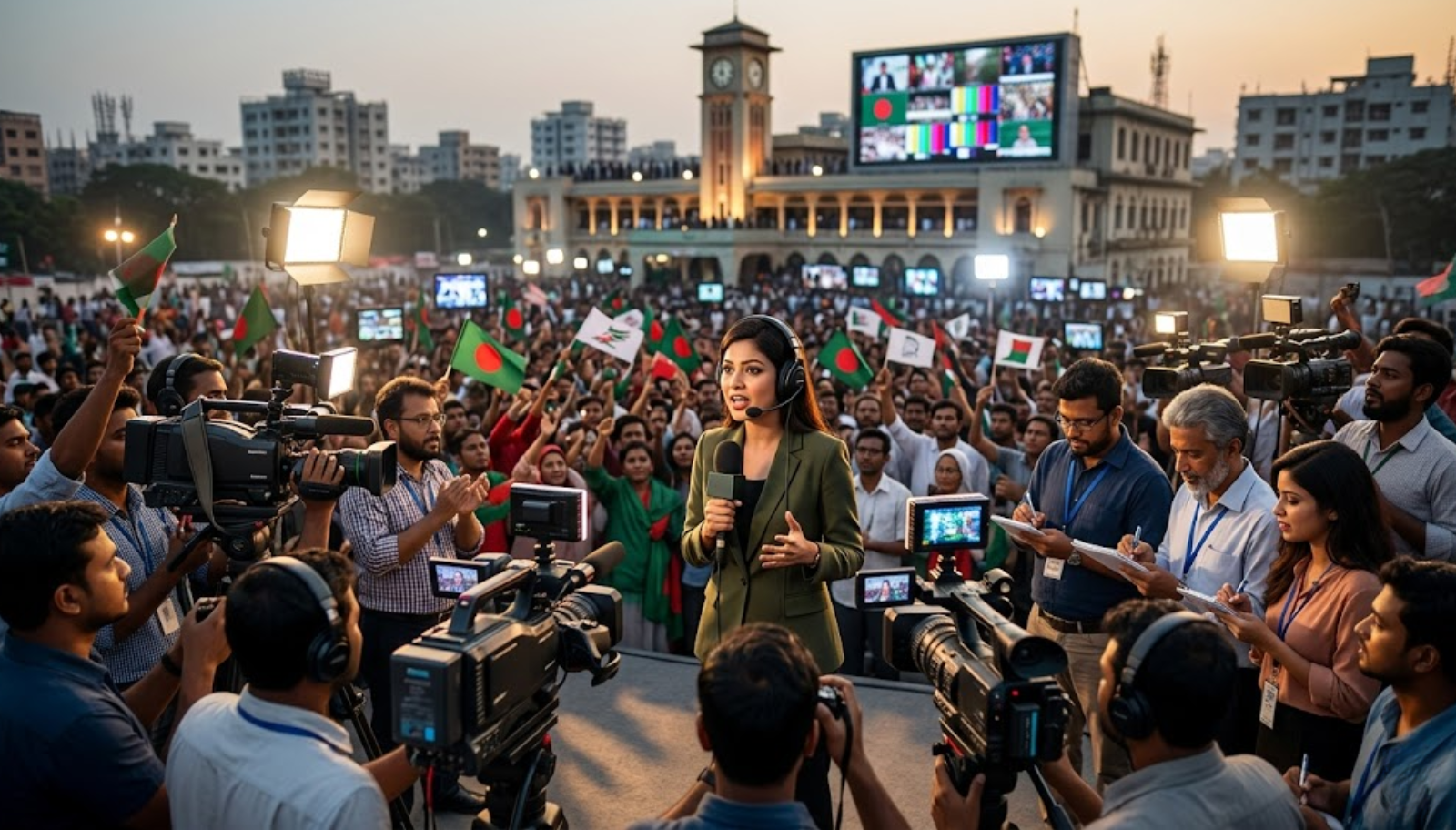
National elections represent the ultimate stress test for any country’s media ecosystem. They demand accuracy under pressure, fairness across competing interests, and the courage to inform rather than merely entertain. By these standards, Bangladesh’s public media outlets, both digital and print, performed remarkably well during the 2026 general election, showcasing a level of maturity and professionalism that bodes well for the country’s democratic future.
Print Media: Depth, Diligence, and Democratic Service
Bangladesh’s major print outlets demonstrated their commitment to quality journalism by providing in-depth coverage that exemplifies the importance of thorough reporting in the digital age. Major newspapers allocated significant portions of their editorial space to in-depth policy analysis, candidate profiles, and detailed constituency-level reporting, delving well beyond the superficial aspects of rallies and rhetoric.
Investigative desks produced careful, evidence-based pieces on voter registration, electoral logistics, and the manifestos of competing parties. These pieces gave readers the tools to make informed choices rather than simply tracking the horse race. Editorial boards, to their credit, resisted the temptation to become partisan mouthpieces, maintaining a measured tone even as the political temperature rose. Regional and vernacular newspapers extended this quality to districts and communities that national outlets might otherwise have overlooked, ensuring that rural and marginalized voices found representation on the printed page.
Digital Media: Speed, Reach, and Responsible Reporting
While print media demonstrated depth, digital public media demonstrated dynamism. Online news platforms and the digital arms of established outlets provided real-time election coverage, keeping citizens informed throughout every phase of the process ranging from campaigning and candidate debates to polling-day updates and results verification. Live blogs, multimedia explainers, and data-driven graphics effectively conveyed complex electoral information to younger audiences and first-time voters, who primarily consume news through mobile devices.
During the campaign period, fact-checking desks were particularly active, rapidly identifying and labeling misinformation before it could take hold in social media ecosystems. This proactive stance against disinformation was a genuine service to public discourse and reflected a growing editorial sophistication among Bangladesh’s digital news teams.
Broadcast Convergence and Civic Engagement
The convergence of digital and print operations during the election also produced commendable civic journalism. Public call-in forums, online reader panels, and social media engagement campaigns encouraged ordinary citizens to participate in the electoral conversation rather than passively consume it. Several outlets ran voter education initiatives in partnership with civil society organizations, explaining procedures for casting ballots, filing complaints, and accessing electoral information. This work quietly but meaningfully strengthened democratic participation at the grassroots level.
A Foundation Worth Building On
All media landscapes face unique pressures, and Bangladesh is no exception. However, the 2026 election coverage demonstrated that the country’s public media institutions possess the capacity to fulfill their democratic role with integrity and proficiency. The election has passed, yet the standards set during its coverage should not. Bangladesh’s journalists and editors have demonstrated the responsible practices of public media in action, setting a standard that merits recognition and replication in future elections.