
Caroline Mwende
Independent Analyst
Regional trade corridors play a vital role in promoting economic integration, reducing transport costs, and improving connectivity among neighboring countries. The India-Bangladesh-Myanmar (IBM) trade transit corridor holds significant strategic potential as a gateway linking South Asia with Southeast Asia hence supporting regional initiatives such as the Act East Policy and BIMSTEC cooperation. Despite this potential, the corridor continues to face challenges, including cumbersome border procedures, inadequate transport infrastructure, fragmented customs systems, and limited institutional coordination.
The TradeMark East Africa (TMEA) offers valuable lessons applicable to the IBM corridor regardless of other institutional models. While the political, economic, and geographic contexts differ, several elements of the TradeMark East Africa approach can still be adapted to support a more effective India Bangladesh Myanmar trade transit framework.
Understanding the Trademark Africa Model
TradeMark Africa, previously known as TradeMark East Africa, is a trade aid organization that works with governments, customs authorities, border agencies, the private sector, and regional organizations to reduce the cost and time of trade. This organization has emerged as a successful model for addressing challenges in East Africa that are similar to the IBM framework through coordinated investments in trade facilitation, border modernization, digital customs systems, and corridor management. By reducing transit times and improving cross-border efficiency, the TMEA model demonstrates how institutional cooperation and targeted reforms can transform regional trade corridors.
TMEA’s Relevance to South Asia
The India Bangladesh Myanmar corridor faces many of the same challenges that existed in East Africa. Transport networks are unevenly developed, inefficient border management, limited customs and digital integration, policy and regulatory differences, political and security challenges and limited private sector participation. A mechanism inspired by the TradeMark East Africa model will, therefore, provide a structured framework for addressing these obstacles through coordinated action among the participating countries.
For the IBM corridor, simplifying customs procedures, harmonizing documentation requirements, and introducing electronic data exchange systems could significantly reduce transaction costs. A dedicated regional institution will support the implementation of these reforms while monitoring performance and ensuring accountability. The model’s focus on public private partnership is also highly relevant as businesses are the primary users of transit corridors and possess valuable knowledge regarding operational bottlenecks. A regional mechanism should therefore institutionalize regular consultation with exporters, importers, logistics providers, port operators, and transport companies. Such engagement would help ensure that policy reforms respond to practical commercial needs rather than purely administrative considerations.
Essential Reforms from the TMEA Model
The adoption of fully digital customs procedures and expanding the use of risk-based inspections are very critical. These facilitate faster cargo clearance and improve transparency. The second priority is the establishment of an effective national single window system. Traders currently interact with multiple government agencies, often resulting in duplication and delays. A comprehensive single window will reduce administrative burdens and enhance efficiency.
Similarly, infrastructure development represents another critical area. Although Bangladesh has made substantial progress in improving roads, bridges, and ports, additional investments are needed to support increased transit traffic. Special attention should be given to multimodal transport connectivity. These include road, rail, inland waterways, and port facilities.
Regulatory harmonization is another essential reform. Bangladesh should work with India and Myanmar to develop common standards for vehicle permits cargo tracking systems, transit guarantees, and transport documentation. The absence of harmonized regulations often creates uncertainty and increases costs for transport operators. A shared regulatory framework would improve predictability and facilitate seamless movement of goods.
Lastly, transparency and governance reforms must also accompany physical and institutional improvements. Investors and traders require confidence that regulations will be applied consistently and fairly. Strengthening anti-corruption measures, improving dispute resolution mechanisms, and enhancing regulatory transparency would contribute significantly to the credibility of the transit system.
Lessons Drawn from the TMEA Model
The TradeMark East Africa model offers valuable lessons for developing an India Bangladesh Myanmar trade transit mechanism. The model integrated approach to infrastructure, trade facilitation, institutional reform, and stakeholder engagement aligns closely with the challenges facing the corridor. For Bangladesh, successful implementation will require substantial reforms in customs modernization, digitalization, infrastructure development, border management, and regulatory harmonization. If these reforms are pursued effectively, Bangladesh could emerge as a central hub connecting South Asia and Southeast Asia, generating long term economic benefits for the entire region.
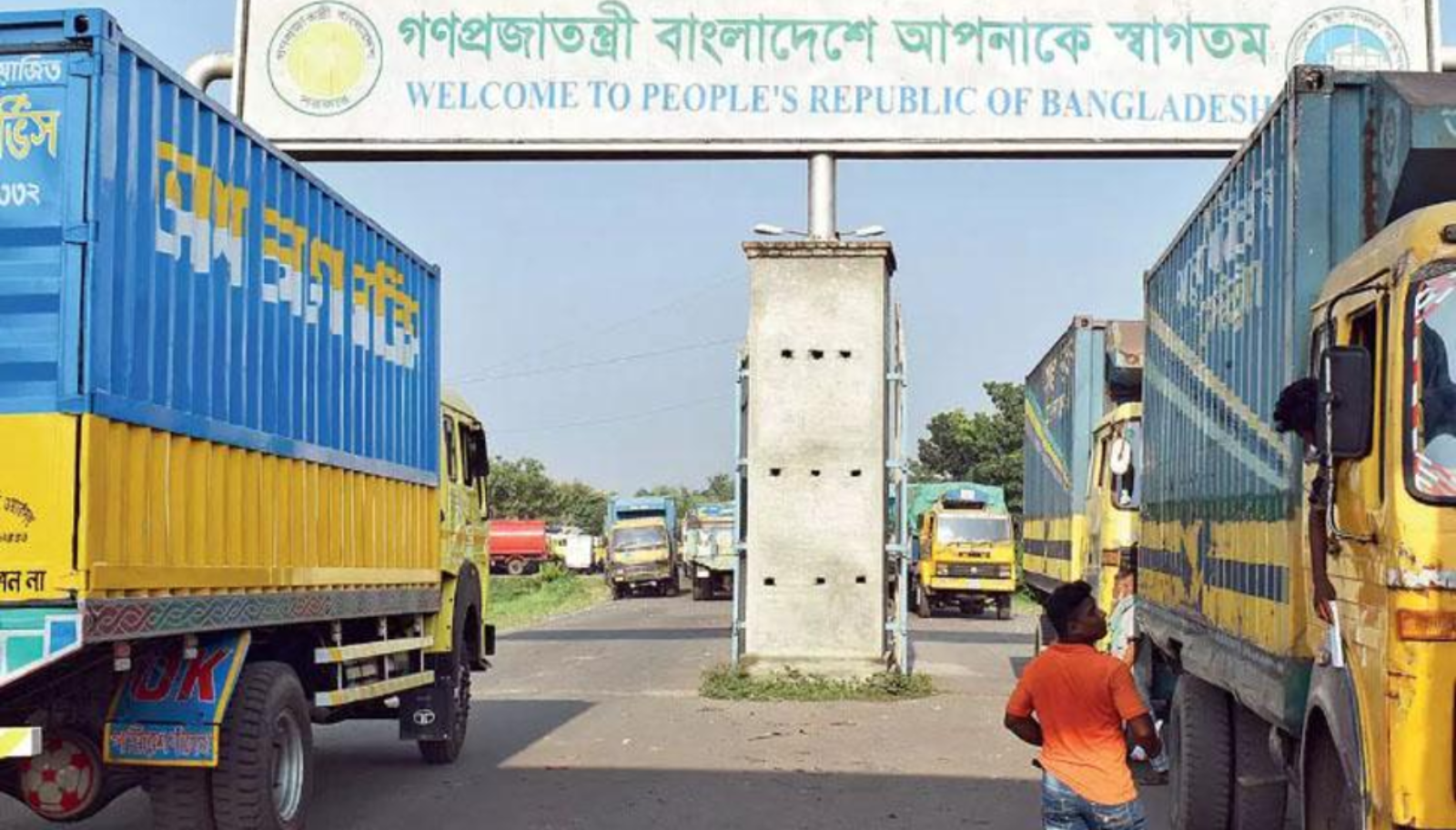
It’s important to note that Bangladesh occupies a particularly strategic position within any India Bangladesh Myanmar transit arrangement. Its geographic location makes it a natural bridge between northeastern India and Myanmar, and its ports offer important opportunities for regional connectivity. Therefore, the success of any corridor initiative depends heavily on Bangladesh’s willingness and capacity to undertake key reforms.