
Farah Zahir
Editor, Oniket Research Group
This article examines Bangladeshi media’s limited commitment to educational programming, highlighting why these matters for national development. It identifies lessons from respected public interest media organizations to help create a culture of knowledge, heritage, and scientific awareness.
Mass media shapes how citizens understand their country. In Bangladesh, television, newspapers, and digital platforms prioritize politics, crime, disasters, and low-cost entertainment over well researched educational documentaries and long-term knowledge projects. Consequently, opportunities to cultivate informed citizenship, national pride, and intellectual curiosity among young people remain underdeveloped. Educational documentaries remain a low priority within Bangladesh’s mainstream media. Programmes exploring history, geography, biodiversity, science, literature, traditional arts, and cultural heritage are produced occasionally, usually around commemorative dates rather than through sustained editorial planning. Collaboration between media and national academic, scientific, and cultural institutions is limited.
International broadcasters prove documentaries on history, nature, science, and culture attract broad audiences while strengthening public education and national identity. Bangladesh would benefit from adopting a similar vision.
The Current Priorities of Bangladeshi Media
Television is dominated by breaking news, crime reports, and political talk shows. Their overwhelming dominance leaves little space for programming that expands public knowledge.
Entertainment programming occupies remaining airtime, often produced to fill schedules rather than promote cultural excellence. Educational documentaries and science programmes exploring Bangladesh’s remarkable geography and biodiversity are comparatively rare.
Newspapers exhibit similar patterns. Although many publish special supplements on occasions like Independence Day, sustained coverage of heritage, science, or humanities rarely receives comparable priority. Consequently, the media informs citizens about immediate events but does little to deepen their understanding of the nation’s rich intellectual landscape.
A Missed Opportunity for National Learning
Bangladesh possesses extraordinary educational resources largely underrepresented in mainstream media. The country’s archaeological sites, river systems, wetlands, indigenous cultures, architectural heritage, scientific achievements, biodiversity, and historical milestones offer rich material. These subjects can educate audiences while strengthening appreciation for shared heritage.
Young people increasingly consume visual content digitally. Documentary storytelling offers an accessible method of introducing complex subjects not fully appreciated through textbooks. When educational media is absent, valuable opportunities to cultivate curiosity, critical thinking, and informed citizenship are lost.
Limited Collaboration with National Knowledge Institutions
Bangladesh hosts numerous institutions advancing knowledge in literature, science, and arts. Organizations like Bangla Academy, universities, museums, and specialized research centres possess extensive scholarly expertise.
Despite this knowledge, systematic partnerships between these institutions and mainstream media remain uncommon. Collaborative documentary series, historical investigations, or cultural preservation projects could enrich public understanding while popularizing academic research.
Such collaborations would allow scholars and scientists to communicate their work through compelling visual storytelling, extending their reach beyond academic publications or institutional events.
Lessons from International Public Interest Media
International broadcasters demonstrate educational programming can be central to national media. The BBC has built a global reputation producing high quality documentaries exploring history, science, wildlife, and society. These programmes educate domestic audiences and project Britain’s intellectual achievements globally.
Similarly, National Geographic transforms wildlife, exploration, conservation, and human civilization into compelling visual narratives. Documentary series on natural history prove educational content can be intellectually rigorous and commercially successful.
These organizations recognize documentaries are long term investments in public knowledge, scientific literacy, and cultural preservation. Bangladesh must draw an important lesson: educational media should be a permanent public service contributing to national development.
Building National Pride Through Knowledge
National pride grows through deep understanding of a country’s achievements. Documentaries on the Sundarbans, the Bengal delta, traditional crafts, scientific innovation, archaeological discoveries, and environmental resilience inspire genuine appreciation for Bangladesh’s diversity.
When young people encounter such content, they develop stronger connections with their country’s identity. They appreciate cultural heritage and recognize previous generations’ contributions. Educational media contributes to knowledge, responsible citizenship, and social cohesion.
A New Vision for Bangladeshi Media
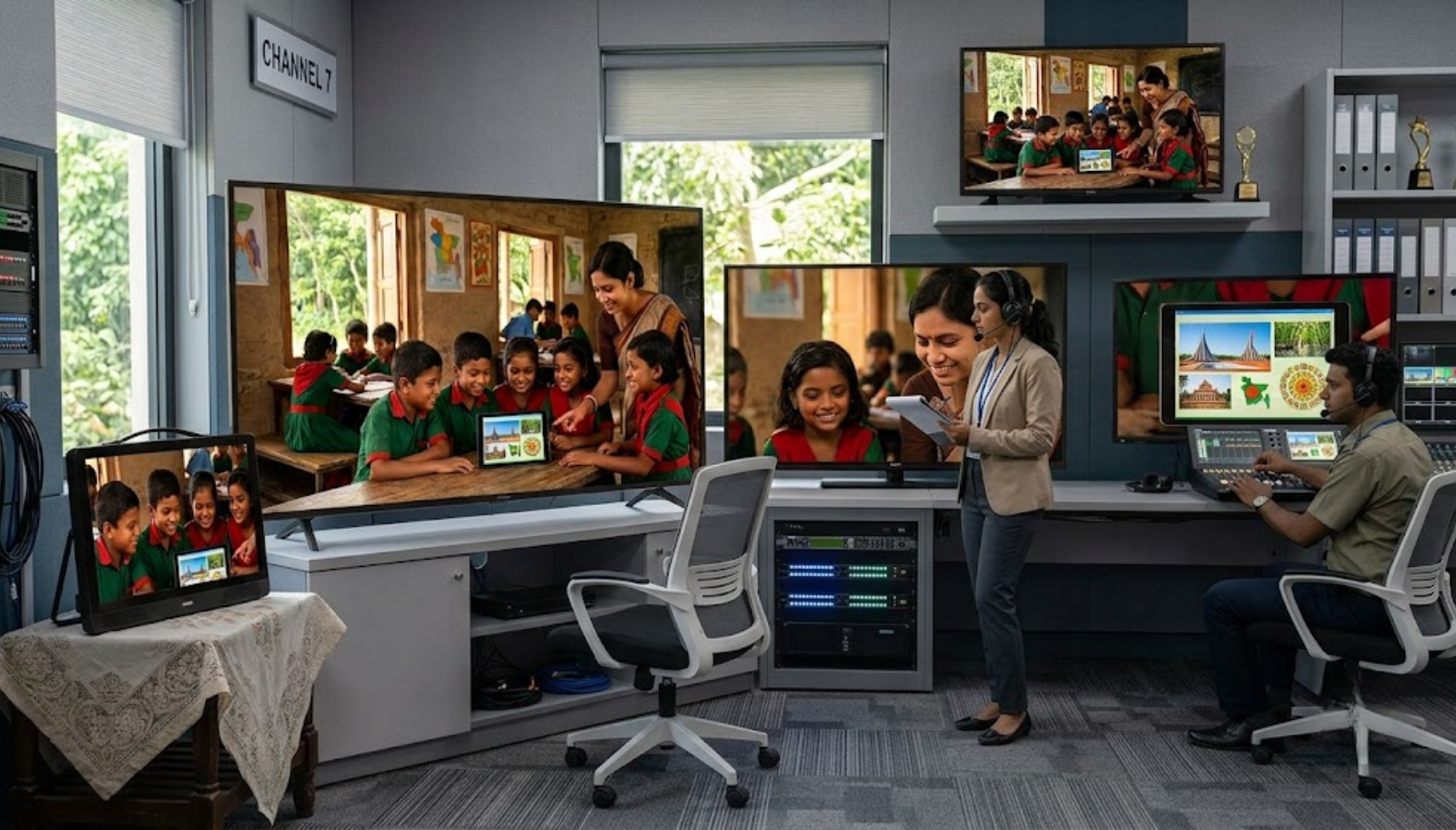
Creating meaningful educational programming requires shifting editorial priorities. Television broadcasters should establish dedicated documentary units for long-term projects on history and science. Newspapers should invest consistently in explanatory journalism beyond seasonal commemorations.
Collaborative projects involving universities, museums, Bangla Academy, and scientific organizations should become regular features. Public broadcasters, private media, and creative professionals can jointly produce content combining scholarly accuracy with engaging storytelling.
Digital platforms and social media offer vital opportunities to distribute educational documentaries to younger audiences who increasingly consume information online rather than conventional television.
The Role of Government: Addressing the Policy Gap
A crucial gap is the absence of robust government policy frameworks and structured financial incentives designed to champion educational media. While private broadcasters naturally gravitate toward profitable entertainment and fast paced news to sustain revenue, the government must ensure public interest programming remains financially sustainable.
The Ministry of Information and Broadcasting, alongside state run media, could introduce mandatory public interest broadcasting quotas for private channels, legally requiring a specific percentage of airtime for educational, scientific, and cultural content. Furthermore, establishing a dedicated national grant fund for documentary filmmaking, like existing state grants for feature films, would empower researchers, academic institutions, and independent creators to produce high quality visual content without the immediate pressure of commercial returns.
Additionally, integrating state funded educational documentaries into the national curriculum would create a guaranteed audience and amplify their societal impact. Without strategic state intervention, tax incentives, and regulatory guidance, relying solely on the profit driven commercial media sector to voluntarily prioritize long term educational programming will remain an insurmountable challenge. The government must recognize educational media as critical infrastructure for national intellectual development.
Conclusion
Bangladesh possesses a rich historical legacy, remarkable environmental diversity, and significant intellectual resources. Yet these assets remain underrepresented within mainstream media. By investing in high quality documentaries and sustained educational programming, media organizations can play a transformative role in strengthening public knowledge, national pride, scientific literacy, and cultural confidence.
International experience demonstrates that educational media is a strategic investment in a nation’s human capital, cultural identity, and future development. Bangladesh’s media now has an opportunity to move beyond daily headlines and become a lasting partner in educating, inspiring, and uniting future generations.