
Tanzina Fardoush
Commissioning Editor, The Oniket Bulletin
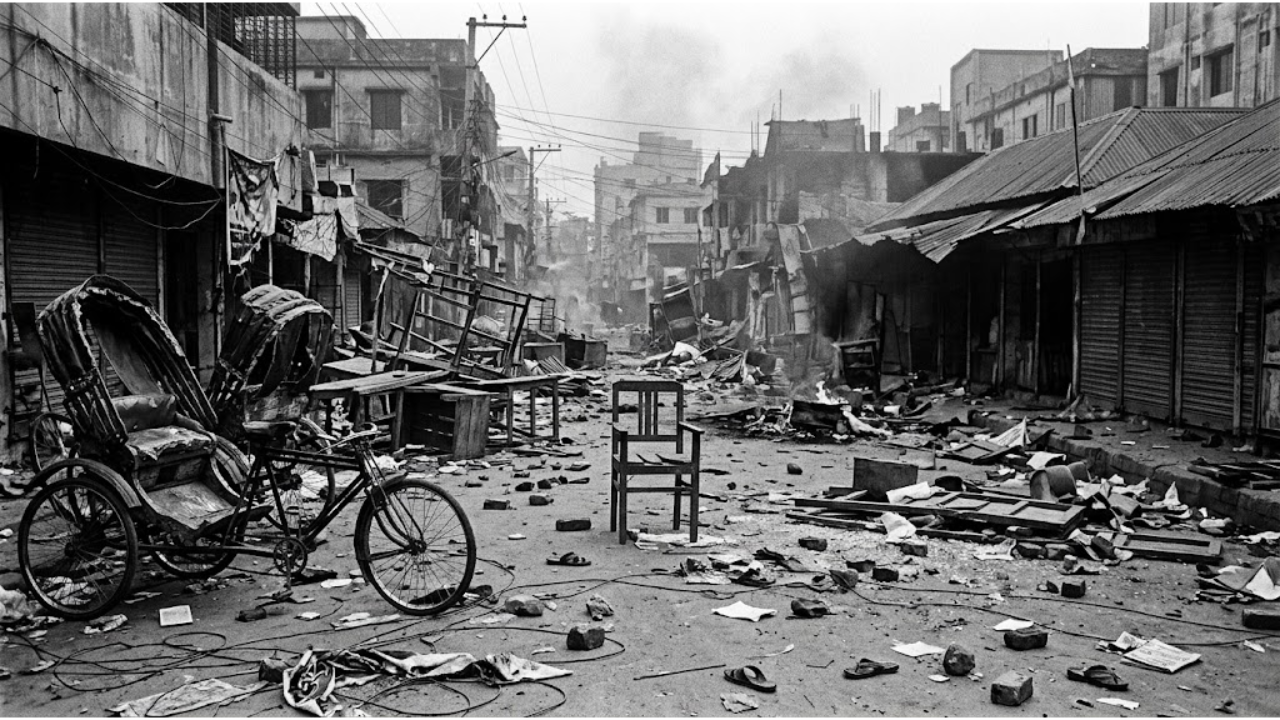
A video circulates, an accusation spreads, and within hours, a crowd declares someone guilty and delivers punishment. The concern is also the social-media approval violence receives. Some celebrate beatings and share footage as proof that “justice” has been served. When a crowd becomes judge and executioner, no one is safe from becoming its next target.
The Scale of Violence and the Accountability Gap
According to Ain o Salish Kendra (ASK), 128 people were killed in mob violence in 2024, while at least 197 were reportedly killed in 2025. The Human Rights Support Society (HRSS) reported 398 incidents and 187 deaths between January and September 2026. Government figures for the same period reportedly recorded 63 incidents, approximately 41 per cent fewer than the previous year.
Because collection and classification methods differ, these figures are not automatically comparable. The discrepancies highlight the need for a reliable national database to assess the problem and hold institutions accountable.
Why Are People Taking the Law into Their Own Hands?
Mob violence has social, institutional and psychological roots. Prolonged legal proceedings, concerns about law enforcement impartiality and perceived impunity among influential individuals can undermine confidence in formal justice. When courts appear inaccessible or ineffective, some mistake retaliation for justice.
Crowd behavior can weaken individual accountability; participants may feel responsibility is shared by everyone and no one. Group identity, emotional contagion and online encouragement reinforce this justification. Unchecked allegations can turn suspicion into punishment. Accusations involving theft, robbery, sexual violence, religious offence or child abuse may provoke anger. However, an allegation does not establish guilt. Evidence must be verified, facts examined and accused persons given an opportunity to defend themselves through lawful procedures.
Is the Law Inadequate, or Is Enforcement Failing?
Bangladesh has no standalone law specifically dedicated to mob lynching. However, perpetrators remain subject to existing criminal law. Section 302 of the Penal Code, 1860, provides punishment for murder. Depending on circumstances, provisions concerning attempted murder, unlawful assembly, rioting, assault and other offences may also apply.
Witness testimony, video and digital evidence can establish responsibility. Investigations are challenging when many people participate and organizers, instigators and direct perpetrators are difficult to distinguish. The solution requires more than a new law. Authorities must strengthen investigations, preserve digital evidence, identify those who organize or incite violence, and ensure fair judicial proceedings. Any specialized framework should complement existing criminal law without undermining fundamental rights or due process.
The Online Celebration of Violence
Social media rapidly amplifies anger and unverified claims. Anonymity and group loyalty can encourage violence. Labelling someone a criminal before investigation can cause threats, harassment, reputational damage and social exclusion.
Newsrooms should avoid sensationalizing assault footage, verify allegations, protect victims’ dignity and distinguish accusations from facts. They should report investigations, prosecutions and outcomes. Responsible reporting informs without encouraging violence or prejudicing proceedings.
Why Does Society Remain Divided?
Public opinion is often shaped by political affiliation, religious identity, social class and personal grievances. Some condemn attacks only when victims belong to their own groups, while excusing similar violence against opponents.
Selective outrage obstructs a common standard of justice. Frustration over theft, extortion and other crimes may encourage support for immediate punishment, especially when formal justice seems to favor the powerful. Yet frustration cannot justify private punishment. When guilt depends on popularity, prejudice or crowd anger, justice becomes arbitrary. The principle allowing a crowd to punish an alleged offender today could expose an innocent person to violence tomorrow.
A Roadmap for Reform:
Addressing mob violence requires coordinated action by government, law enforcement, courts, media, schools and civil society.
Accountability must come first; every serious incident should be investigated promptly and impartially, with authorities identifying perpetrators, organizers and instigators, preserving evidence and prosecuting according to law. Building on this, the government should work with independent human rights organizations to create a credible national database, setting transparent reporting standards, reconciling discrepancies and regularly publishing data on incidents, investigations, prosecutions and outcomes.
Digital accountability matters too: platforms and authorities should tackle credible threats and incitement under clear, rights-respecting rules, with independent oversight protecting legitimate criticism. Schools, universities and community leaders can teach media literacy and due process, stressing that allegations demand investigation, not mob punishment. Ultimately, fair, timely justice will reduce vigilantism by restoring public confidence in institutions.
Conclusion
Mob violence reflects a crisis of public trust, social responsibility and respect for human dignity. Combating it requires effective justice, responsible journalism, digital accountability and rejection of violence, regardless of a victim’s identity or an accused person’s alleged offence.
If a crowd can declare you guilty based on a rumor, what will protect you when the rumor is about you? Defending due process is not defending criminals; it protects every citizen’s right to safety, dignity and justice under the law.