
A T M Ashfiqur Rahman
Network Systems Administrator, London Churchill college
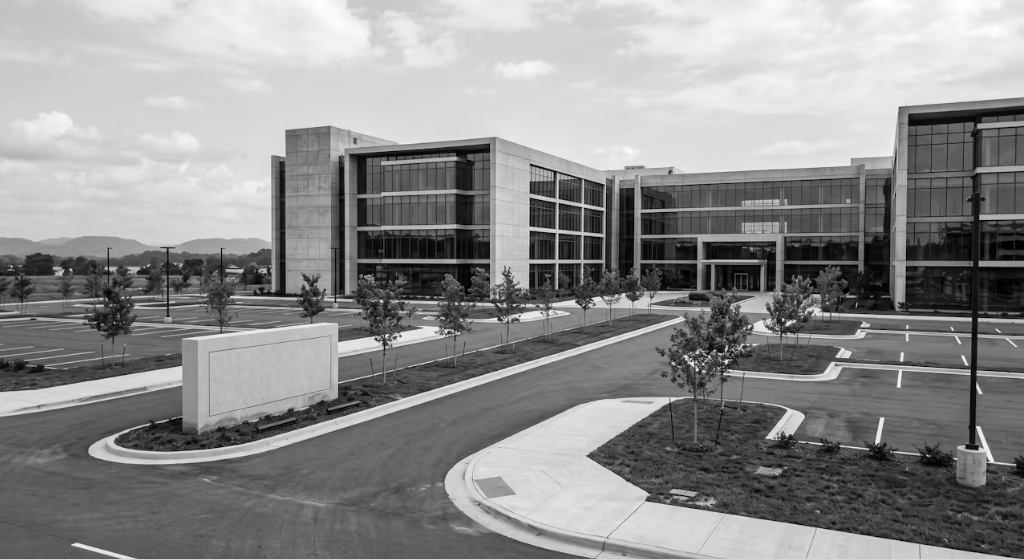
A hi-tech park is meant to be a place where a factory owner can arrive, switch on the power, open the gas valve and start producing. Five years after its inauguration, the Hi-Tech Park in Sylhet has not delivered that promise.
According to a recent report in The Daily Star, the Sylhet Hi-Tech Park has created about 400 jobs against a target of 20,000, and attracted roughly Tk 300 crore in investment against a goal of Tk 1,500 crore. Of the 14 companies allotted land or space, only two are operating. The park is a warning about what happens when a project is built before the conditions for its success are in place.
The Infrastructure Gap
The park occupies about 171 acres in Companiganj, some 22 kilometres north of Sylhet city. It was approved in 2016 at an estimated cost of Tk 336 crore and inaugurated in December 2021, with an aim to industrialise Sylhet, create jobs for young people and use the region’s proximity to India’s northeastern states. Yet the basics are missing.
Gas is the most serious gap. Rangs Electronics, the flagship tenant, which started production in 2025 on a 32-acre plot, applied for an industrial gas connection in 2022 and was refused. The park authority applied on its behalf in November 2025 and was rejected again, then reapplied in April 2026 and is still waiting. The company says it now runs at about 30 percent of capacity, making only refrigerators, with losses of about Tk 60 crore a year. Electricity is also unreliable. Supply comes through a rural electrification line, and heavy rain frequently causes long load shedding, with no backup, so production stops for days during maintenance.
Smaller but real problems add up. The other operating tenant, an IT training firm, struggles with poor connectivity, difficulty attracting students and evening security concerns. For a park meant to host knowledge workers, transport, safety and communication are as critical as power.
Policy Promises Not Kept
The authorities promised gas connections, uninterrupted electricity, tax holidays, duty-free imports of machinery and raw materials, and freedom to repatriate profits. Several of these were never delivered. A one-stop service for government documentation did not materialise, so tenants approached each office individually, as they would outside the park. Companies also say they were promised no rent during a three-year construction period and reasonable rent afterwards, yet have paid rent from the first day.
The pattern matters. Incentives are written into policy, but delivery depends on agencies outside the park authority. The Hi-Tech Park Authority can allot land, but only the energy ministry can approve gas and only utilities can supply power. When these agencies do not act together, investors discover that the promised package exists on paper, not on site.
The Root Cause: Supply Built Ahead of Demand
The deeper failure is one of sequence and ownership. The park was built as a supply-side project: land was developed, buildings were constructed and allotments were made, but the services that make a factory viable were not secured first. A distant site, which the park’s own managing director acknowledges as a handicap, made this worse. Sylhet’s ambitions were large, yet no clear plan linked the park to a pipeline of skilled workers, reliable transport or anchor investors.
Governance also played a role. An investigation by The Daily Star in November 2024 found that 15 ICT projects worth Tk 8,500 crore nationwide had suffered from faulty planning, corruption and poor execution under the previous government’s Digital Bangladesh programme. Sylhet’s experience fits a wider pattern of announcing flagship projects before the groundwork is complete, with success measured by inauguration ceremonies rather than jobs created.
How to Revive the Investment
The BNP-led government that took office in February 2026 has formed a committee on revival, and the local lawmaker, who is also a minister, inspected the site in June, though no outcome has yet been announced. A high-level meeting is scheduled for 4 November. The steps that follow should be concrete.
The first is gas. A clear, time-bound decision on industrial gas for existing tenants is essential, and if national supply cannot be guaranteed, the government should say so and offer alternatives such as compressed or liquefied supply, so that investors can plan. The second is power: a dedicated feeder line, backup supply and perhaps rooftop solar on the park’s buildings would end the cycle of stoppages. Third, the promised one-stop service should be made real, with officials from key agencies stationed at the park and statutory deadlines for approvals.
Fourth, tenants who were promised rent relief deserve a fair settlement, and rent should be restructured to match construction periods and production milestones. Fifth, idle plots should be reviewed. Companies that have halted or not begun construction should be given a firm timeline, with unused land reallocated to serious investors, including Sylhet’s large diaspora community. Sixth, connectivity and security need public investment, including reliable transport links to the city and lighting and patrols around the park. Finally, the authority should publish a simple annual scorecard on jobs, investment and operating companies, so that progress is measured honestly.
A Test of Policy Credibility
The Sylhet park still has more than 76 acres of land available and one genuine manufacturer already producing. That is a base to build on, but only if the state delivers the services it promised years ago. Investors across Bangladesh are watching. If a government cannot connect gas and power to a park it built itself, it will struggle to persuade anyone to trust the next one. Rescuing Sylhet’s park is therefore not only about one site. It is about proving that a promise made to investors is a promise kept.