
Bijoy Nag
Freelance Artist
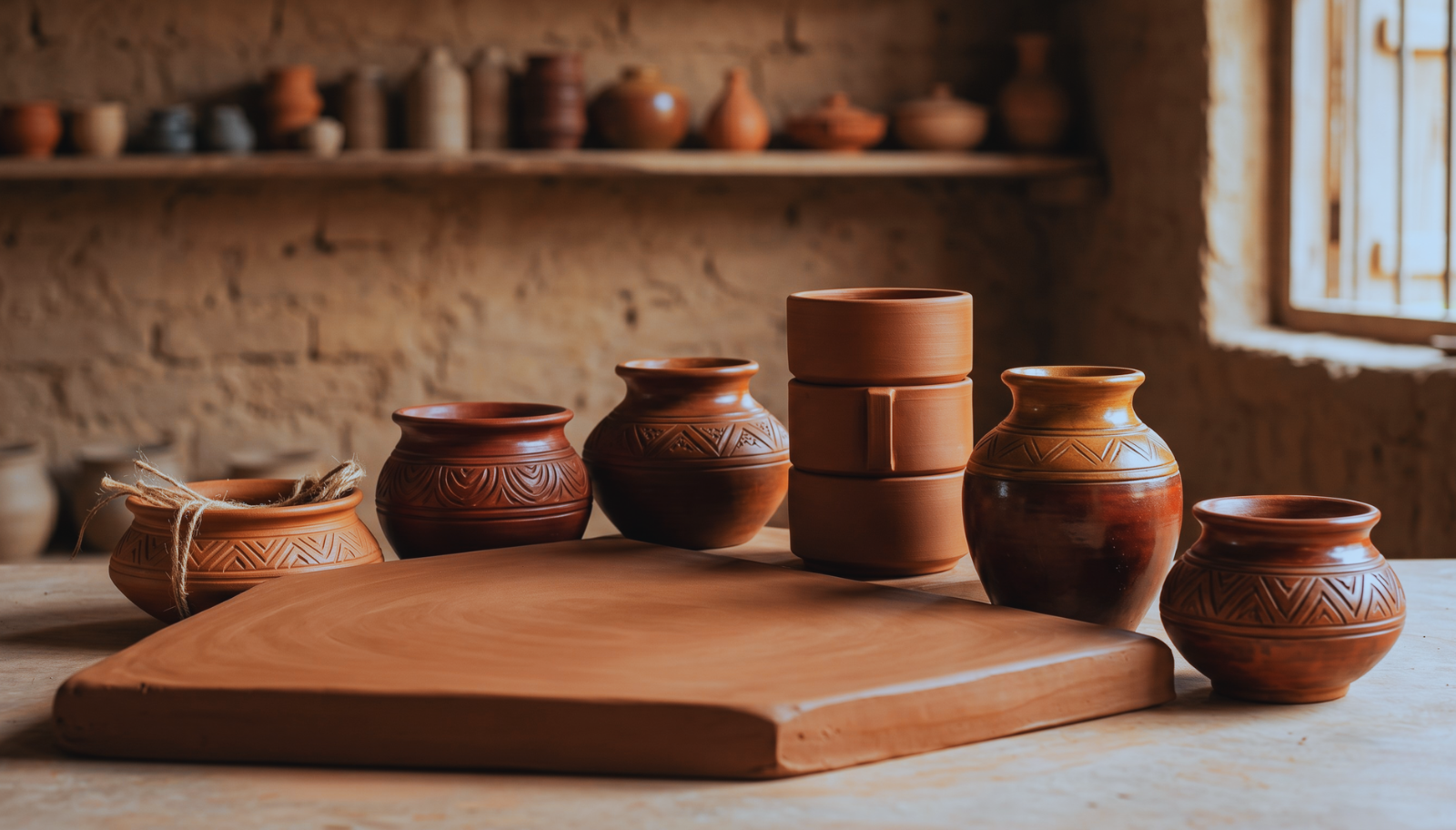
In the quiet villages of Rajshahi, Kushtia, and Mymensingh, skilled hands have shaped clay into stories for centuries. Bangladesh’s clay doll tradition is far more than a folk art- it is a living archive of rural identity, communal memory, and ecological wisdom. Yet today, this remarkable craft stands at a crossroads. The choices Bangladesh makes now will determine whether these tiny, vivid figurines continue to tell the nation’s story or quietly disappear from the hands that gave them life.
The prospects for Bangladesh’s clay craft industry are genuinely exciting, and they deserve to be treated as such. In a world growing weary of mass-produced, plastic-laden consumer goods, handcrafted, biodegradable clay dolls carry an extraordinary competitive advantage. Global markets are increasingly rewarding authenticity, sustainability, and cultural provenance precisely the qualities that Bangladeshi clay art embodies in abundance. E-commerce platforms and curated international craft marketplaces now offer artisans in rural Bangladesh a direct line to buyers in Europe, North America, and East Asia, without intermediaries eroding their earnings. With the right scaffolding, what is today a village livelihood could become a globally recognised cultural export.
The obstacles, however, are structural and urgent. The most immediate threat to clay artisan communities is the aggressive displacement of handmade goods by cheap, mass-produced plastic toys- a market in which local craftspeople cannot compete on price alone. Without deliberate intervention, this economic pressure will continue to hollow out the very communities that carry this tradition.
Access to fair and consistent markets remains a chronic weakness. Artisans predominantly depend on seasonal village fairs and cultural festivals for income, leaving them financially exposed during lean months. The absence of reliable distribution networks, combined with poor infrastructure in rural production centres, means that extraordinary craftsmanship regularly goes unseen and unsold.
Generational continuity is equally at risk. Younger members of artisan families, confronted with low income prospects and limited social mobility, are abandoning the craft in favour of urban labour markets. The tacit knowledge embedded in master craftspeople- techniques, motifs, kiln practices cannot be recovered from a manual once it is lost. The window for transmission is narrowing rapidly.
Compounding all of this is the near-total absence of formal financial instruments tailored to micro-craft enterprises. Clay artisans rarely qualify for conventional credit, lack insurance against seasonal losses, and have no access to the working capital needed to invest in better tools, packaging, or digital storefronts.
Bangladesh’s government has both the mandate and the means to turn this situation around, and the case for acting boldly is compelling. A focused policy response should advance on several fronts simultaneously.
Protect through designation: Formal geographical indication status for clay craft clusters in Rajshahi, Kushtia, and Mymensingh would authenticate their products in export markets, raise their perceived value, and legally protect artisan communities from imitation and appropriation.
Build market infrastructure: Government-backed craft cooperatives, permanent artisan retail spaces in urban centres and international airports, and inclusion of clay crafts in Bangladesh’s official export promotion portfolio would provide stable, year-round market access.
Finance the base: Microcredit schemes specifically designed for craft-based micro-enterprises, combined with direct subsidies for raw material costs and kiln improvements, would meaningfully reduce the economic precarity that drives artisans away from the trade.
Invest in the next generation: Integrating clay craft into school curricula as both art education and cultural heritage learning would reignite pride and curiosity among young Bangladeshis. Apprenticeship stipends that make it financially viable for young people to train under master artisans would secure the knowledge chain.
Bangladesh’s clay dolls carry the soul of its villages in every curve and colour. Protecting them is not an act of nostalgia- it is a forward-looking investment in identity, livelihood, and a cultural legacy that the world is ready to value. The clay is still warm. The moment to act is now.