
Sumaiya Hasi
Editor, Public Relations – The Oniket Bulletin
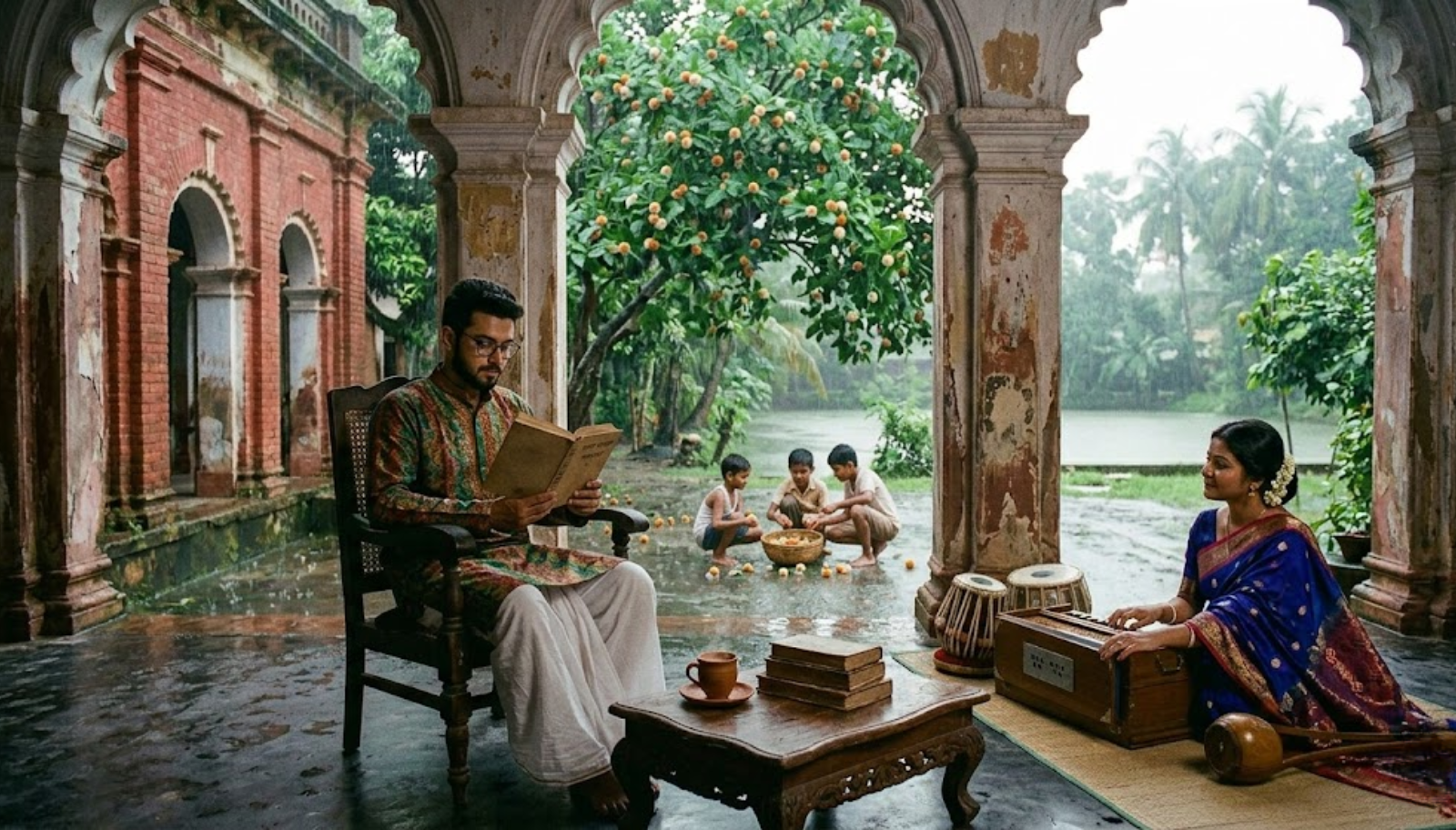
Bangladesh is a country uniquely blessed with six distinct seasons. Among them, the monsoon, spanning the months of Ashar and Shrabon, holds a special place in the hearts of Bangalis. Although its official duration is limited to two months, its influence extends far beyond the calendar, shaping the country’s culture, literature, music, art, and way of life throughout the year. The fragrance of the kadam flower, the gathering of dark clouds across the sky, and rivers flowing in their fullest vitality create an enchanting atmosphere during the rainy season. This natural beauty inspires poets, artists, musicians, and ordinary people alike. The monsoon is so deeply woven into the fabric of Bangladeshi life that it is impossible to portray the nation’s culture and heritage without acknowledging its presence.
Geographically, Bangladesh lies within South Asia’s monsoon climate zone. Influenced by the Bay of Bengal, the southwest monsoon brings abundant rainfall to the country, accounting for nearly 70 percent of the annual average precipitation. This seasonal rainfall nourishes more than 700 rivers, along with countless haors, baors, and beels. For centuries, Bengal’s economy, agriculture, folk traditions, and cultural practices have evolved around this rich water-based environment.
The Enduring Presence of the Monsoon in Literature
References to the monsoon can be found throughout the history of Bangla literature. From the ancient Charyapada to the medieval Mangal Kavyas and Vaishnava Padavali, rain and clouds have served as powerful literary symbols. Poets such as Vidyapati and Chandidas portrayed Radha’s longing and separation against the backdrop of dark monsoon skies and endless rainfall. Literary works such as Manasamangal and Chandimangal contain vivid descriptions of the rainy season, reflecting the agrarian society where rainfall was essential for survival and prosperity.
Rabindranath Tagore elevated the monsoon into a deeply spiritual and romantic experience. His Barshamangal poems and songs reveal the season’s emotional and philosophical dimensions. Bangladesh’s national anthem, Amar Sonar Bangla, beautifully evokes the scent of rain-soaked soil, rivers, and kadam flowers, demonstrating the inseparable connection between Bangla and the monsoon.
The monsoon also occupies an important place in the works of National Poet Kazi Nazrul Islam. In timeless creations such as Barsha Biday and Badoler Dhara Jhore Jhorjhor, he used the season as a symbol of love, separation, and resistance against colonial oppression. Later, the pastoral imagery of Jibanananda Das, the modern poetic voice of Al Mahmud, and the nostalgic rainy-day settings found in the fiction of Humayun Ahmed transformed the monsoon into an unforgettable character within Bangla literature.
The Melody of Rain in Music
The monsoon carries its own natural rhythm, and Bangladeshi have long embraced that rhythm through music. Rabindranath Tagore’s monsoon songs often reflect the influence of the classical raga Megh Mallar, creating moods of longing, reflection, and quiet melancholy. Kazi Nazrul Islam’s songs celebrating rain and clouds remain a treasured part of Bangladesh’s musical heritage. Folk music, however, perhaps captures the spirit of the monsoon most naturally. The Bhatiyali songs of river boatmen echo across swollen rivers, reflecting both the beauty of nature and the hardships of life on the water.
In Baul music, rain and clouds take on a spiritual significance, symbolising the relationship between humanity and the Creator. The traditional Dhamail songs of Sylhet also celebrate the joy and emotion of the rainy season. From folk traditions to contemporary band music, rain continues to inspire Bangladeshi musicians, with clouds, rivers, and storms remaining recurring themes in countless songs.
Monsoon in Painting and Folk Art
Bangladeshi artists have portrayed the monsoon through a wide range of artistic expressions. Master artist Zainul Abedin immortalised the destructive power of floods and the resilience of ordinary people in his celebrated flood themed works. Artists such as Kamrul Hasan and S. M. Sultan captured rain nourished landscapes, fertile fields, mighty rivers, and hardworking farmers through their distinctive artistic styles. Internationally renowned photographer Shahidul Alam has also presented the beauty and complexity of Bangladesh’s monsoon to global audiences.
The influence of the monsoon extends beyond fine art and into traditional crafts. Motifs inspired by clouds, waves, rivers, and lotus flowers have long appeared in Nakshi Kantha embroidery and the UNESCO recognised Jamdani saree. During the rainy season, when agricultural activities slow down, rural households often devote time to producing mats, bamboo crafts, and wicker products. Traditional bamboo and leaf hats, known as mathal or dholua tokai, continue to serve as practical protection from sun and rain while representing a unique element of Bangladesh’s rural heritage.
Festivals and Traditional Cuisine
The celebration of the monsoon extends far beyond literature and art. Barsha Utsav, observed on the first day of Ashadh, gives the season a vibrant social and cultural dimension. Among the most popular monsoon traditions is the boat race. Colourful boats compete on overflowing rivers while thousands gather along the banks to cheer for their favourites. Floating markets in the haor regions offer another fascinating example of monsoon culture, where boats serve as mobile shops and marketplaces.
For communities living in low lying areas, the rainy season transforms daily life. Boats become essential for transportation, commerce, education, and communication. In some regions, even schools operate on boats. Bangladesh’s major crops, particularly rice and jute, depend heavily on monsoon rainfall. From a culinary perspective, rainy days are often associated with khichuri and a variety of fried snacks that remain beloved favourites across the country. The monsoon is also the peak season for hilsa, Bangladesh’s internationally recognised geographical indication product. Traditional rice cakes and homemade delicacies further enhance the warmth and comfort of rainy-day gatherings.
River Erosion, Floods and Contemporary Challenges
Despite its beauty and cultural significance, the monsoon also brings immense hardship. Every year, heavy rainfall and upstream water flow trigger severe river erosion, leaving thousands of families homeless. Large scale floods often isolate communities and create serious shortages of food, safe drinking water, and healthcare services. For many vulnerable families, the monsoon is not a source of poetic inspiration but a season of survival. Rapid urbanisation has also created new challenges, including waterlogging, dengue outbreaks, and other civic problems in major cities. At the same time, eco-tourism in Bangladesh’s haor regions has opened new economic opportunities linked to the monsoon season. However, climate change remains the most significant challenge. Unpredictable rainfall patterns, extreme weather events, and prolonged droughts threaten the country’s traditional seasonal cycle and agricultural systems.
A Living Reflection of Bangladesh
The monsoon is far more than a weather phenomenon. It is a living reflection of Bangladesh’s identity, history, and cultural soul. Its influence can be found in literature, music, art, festivals, agriculture, and everyday life. The imprint of the rainy season remains visible in every corner of the nation’s heritage. As Bangladesh moves through an era of rapid modernisation and climate uncertainty, preserving the knowledge, traditions, and cultural practices associated with the monsoon becomes increasingly important. These traditions must be passed on to future generations so that they continue to understand and celebrate this defining element of Bangaliana life.
As long as dark clouds gather over the Banglar horizon and rivers swell with rain, the monsoon will remain not merely a season, but a timeless expression of Bangladesh’s collective memory, culture, and spirit.