
Rokeya Islam
Sienne Gallery, France
Bangladesh stands at a rare cultural inflection point. Across studios in Dhanmondi, pop-up galleries in Chittagong, and digital workspaces accessed from remote districts, a new generation of artists is fusing centuries-old heritage with artificial intelligence, generative tools, and globally connected aesthetics. The result is not merely an artistic trend- it is a signal of deeper social transformation that demands deliberate policy attention.
The AI and Digital Art Surge
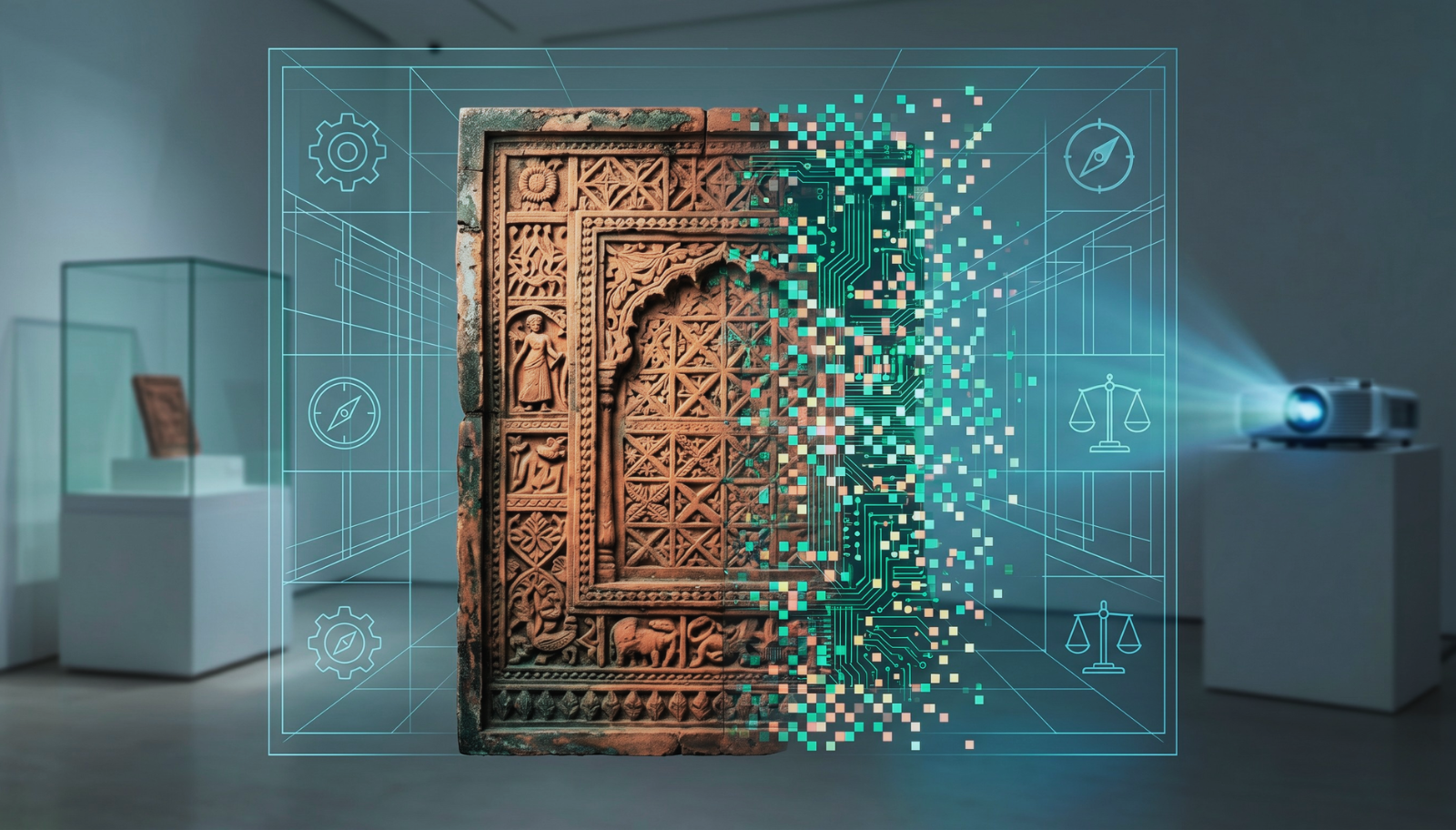
The most consequential shift reshaping Bangladeshi art today is the rapid embrace of artificial intelligence and digital media as legitimate creative instruments. Nationwide competitions in AI-generated illustration are drawing participants from across age groups and formal education levels, democratising artistic production in ways that traditional institutions never could. Young creators are using machine-learning tools to reimagine Bangladeshi folklore, nakshi motifs, and river landscapes through entirely new visual vocabularies – conjuring works that speak simultaneously to a street audience in Dhaka and a curator in Berlin.
The cultural impact of this shift is profound. AI-enabled art is not simply changing what is made; it is changing who gets to make it. The barriers of expensive studio space, formal training, and geographic proximity to cultural centres are dissolving, opening creative pathways to talent that formal systems have historically overlooked. In parallel, cross-cultural exchanges , particularly with Japan’s precision-driven aesthetic traditions through platforms like the Asian Art Biennale, are producing hybrid styles that reposition Bangladesh within global artistic dialogues on its own terms.
The Caveats
The surge carries genuine risks that policymakers must not underestimate. The uncritical adoption of Western AI platforms risks a quiet erosion of indigenous aesthetics, as algorithmically preferred styles tend to converge toward dominant global templates rather than local specificity. There is also a growing ethical debate within the artistic community about authorship, originality, and the displacement of craft-based traditions that carry deep social and economic meaning for weavers, potters, and artisans.
Infrastructural inequality compounds these concerns. Access to advanced digital tools, reliable connectivity, and training remains unevenly distributed, concentrating the benefits of the digital art boom among urban, relatively privileged practitioners. Without corrective intervention, the democratising promise of AI art risks reproducing existing hierarchies rather than dismantling them.
The Policy Imperative: A Government Agenda for Cultural Progress
Bangladesh’s government has a strategic opportunity, and responsibility- to shape this moment constructively. A coherent cultural policy framework should rest on four pillars.
First, invest in digital cultural infrastructure: publicly funded digital art labs in divisional cities, subsidised broadband access for artistic institutions, and nationally curated platforms that archive and showcase Bangladeshi digital art for international audiences.
Second, embed heritage protection into the digital curriculum: national arts education should explicitly teach AI literacy alongside traditional craft, ensuring that new tools serve local narratives rather than replace them.
Third, create structured pathways to global stages: dedicated government grants for international residencies, biennale participation, and cultural exchange programmes will allow emerging Bangladeshi artists to compete with confidence, carrying local pride into global conversation.
Fourth, build a public-private-nonprofit compact: the government should act as convenor, aligning corporate cultural sponsorships and civil society workshops under a unified national arts development strategy with measurable outcomes.
Bangladesh’s artistic energy is already formidable. What it now requires is the institutional scaffolding to ensure that the next chapter of its cultural journey is written with equity, ambition, and an unapologetic sense of who it is.

