
Sheikh Selim
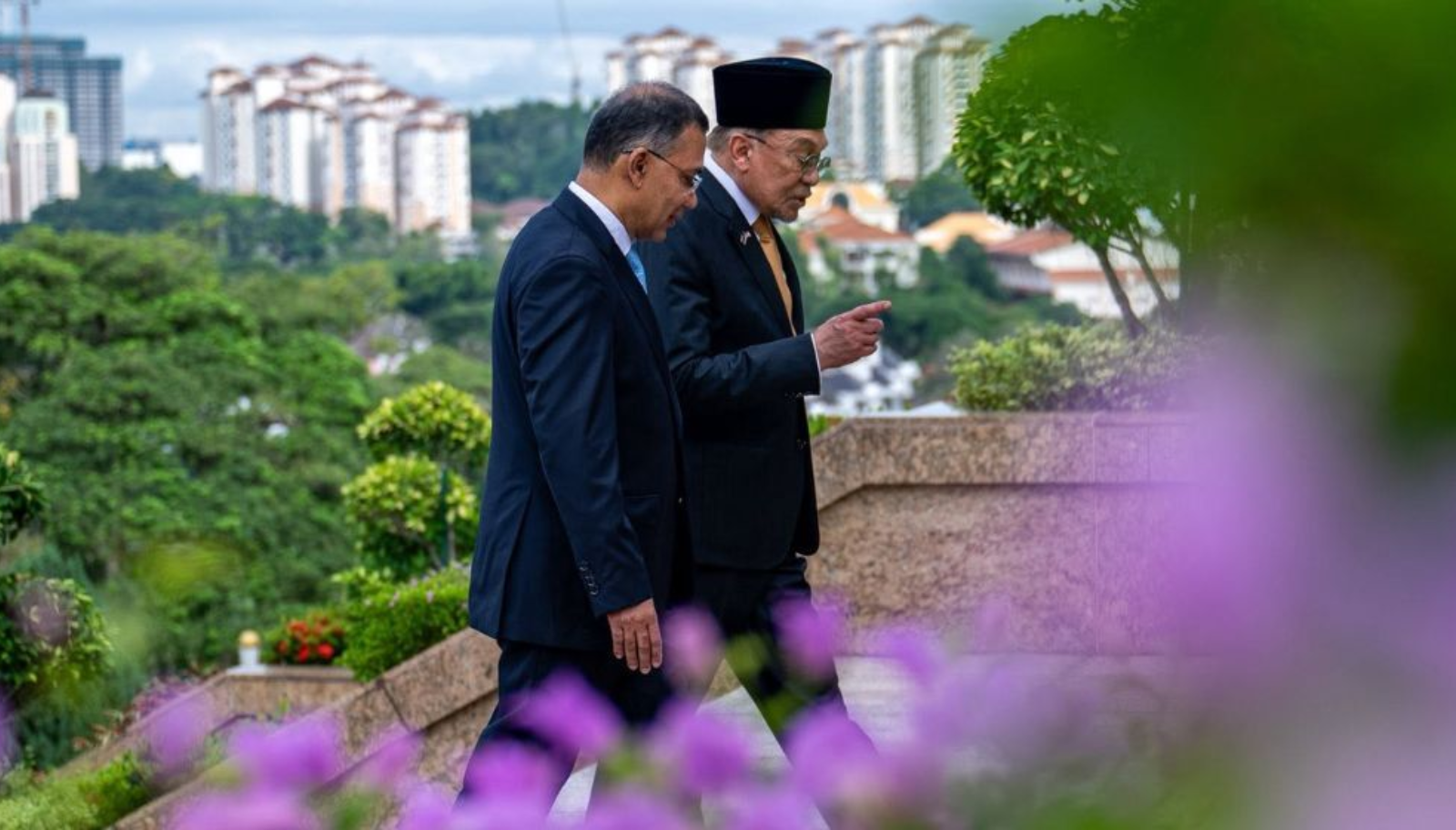
The recent official visit of Bangladesh Prime Minister Tarique Rahman to Malaysia carries weight far beyond diplomatic courtesy. As his first foreign destination since assuming office in February 2026, the choice of Kuala Lumpur sends a deliberate signal: Bangladesh views Malaysia as a priority economic partner.
Over two days of engagements, the Prime Minister is expected to advance discussions on trade liberalisation, investment expansion, labour cooperation, and sectoral partnerships that could meaningfully reshape the economic trajectory of both nations. The question remains, are these explorations aiming at effective positive outcomes, or still just a set of potentials that requires further steps?
Free Trade Agreement: Narrowing the Imbalance
At the forefront of the visit is the long anticipated bilateral Free Trade Agreement. The Bangladesh Malaysia Chamber of Commerce and Industry has expressed optimism that the Prime Minister’s trip will inject fresh momentum into negotiations that have progressed slowly in recent years. Current annual bilateral trade stands at approximately US$2.6 billion, yet Bangladesh accounts for only US$300 million of that figure in merchandise exports. This staggering imbalance underscores why Dhaka is eager to finalise an agreement that lowers Malaysian tariffs on Bangladeshi goods and creates a more level playing field. An FTA would open doors for Bangladeshi textile products, agricultural commodities, and manufactured goods to access a broader Malaysian consumer base, while also giving Malaysian enterprises easier entry into the rapidly growing South Asian market of 170 million consumers.
Halal Industry: A Shared Advantage
Among the most promising areas of cooperation is the halal industry. Malaysia is recognised globally as a leader in halal certification standards and product development, while Bangladesh, with its overwhelmingly Muslim population, possesses enormous untapped potential in halal food production, processing, and certification. The BMCCI has identified halal sector collaboration as a centrepiece of the visit’s agenda. A formal partnership could enable Bangladesh to leverage Malaysian certification infrastructure to export halal products to third markets across the Middle East and Southeast Asia. For Malaysia, investing in Bangladeshi halal production capacity offers an opportunity to expand its supply chains and strengthen its position as the global hub for halal commerce. Discussions about establishing a dedicated Halal Economic Zone in Bangladesh have also been on the bilateral agenda, and the current visit could bring those plans closer to realisation.
Migration and Remittances: The Backbone of Bilateral Ties
Malaysia hosts an estimated 800,000 Bangladeshi workers, comprising more than a third of its foreign workforce. These workers send home remittances that constitute a vital source of foreign exchange for Bangladesh. The visit is expected to address the smooth and transparent recruitment of Bangladeshi labour, ensuring that migration channels remain open, equitable, and protected from exploitation. Strengthening these arrangements benefits both sides: Malaysia secures a reliable pipeline of workers for its construction, manufacturing, and plantation sectors, while Bangladesh maintains a critical flow of remittance income that supports household consumption and national reserves. Any agreements reached on streamlining recruitment procedures or expanding the categories of approved employment would have immediate and tangible economic returns for Dhaka.
Investment Diversification: Beyond Traditional Sectors
Malaysia already ranks among the top ten foreign investors in Bangladesh, yet there is considerable scope to deepen and diversify that engagement. Recent Malaysian interest has extended into logistics, vehicle manufacturing, energy, and infrastructure projects, all sectors where Bangladesh urgently needs capital and technical expertise. The Prime Minister’s visit presents a platform to showcase Bangladesh’s investment friendly policies, its fast-growing economy, and the political stability achieved under the current administration. Special economic zones, tax incentives, and regulatory reforms introduced in recent years make Bangladesh an increasingly attractive destination for foreign direct investment. Malaysian conglomerates with experience in infrastructure development and energy generation could find lucrative opportunities participating in the ongoing expansion of Bangladeshi ports, highways, and power generation capacity.
Education and Technology Transfer
Less visible but no less important are the expected discussions on education and technology cooperation. Malaysian universities and technical training institutions could partner with Bangladeshi counterparts to build human capital in areas such as information technology, engineering, and healthcare. Technology transfer agreements, particularly in digital services and fintech, would enable Bangladesh to accelerate its transition toward a knowledge economy. As Bangladesh progresses from least developed country status to a developing country this year, deepening partnerships with technologically advanced nations like Malaysia becomes not merely desirable but essential to sustaining long term economic growth.
Strategic Significance
The visit also aligns with Bangladesh’s broader “Look East” policy and its ambition to build closer ties with ASEAN nations. By choosing Malaysia as his first foreign destination, the Prime Minister is reinforcing a strategic pivot that seeks to reduce overdependence on traditional partners and diversify both markets and alliances. For Malaysia, strengthening ties with Bangladesh offers access to a large, young, and increasingly prosperous consumer market, along with a reliable labour supply that supports its own economic growth objectives.
Ultimately, the economic benefits of this visit will be measured not in headlines but in signed agreements, increased trade volumes, expanded investment flows, and strengthened institutional frameworks. If the discussions in Kuala Lumpur result in concrete progress on the FTA, halal cooperation, labour arrangements, and investment commitments, the visit could mark a turning point in what has long been a relationship of immense but underrealised potential.