
Quazi Zahir Uddin
Saudi Oger, KSA
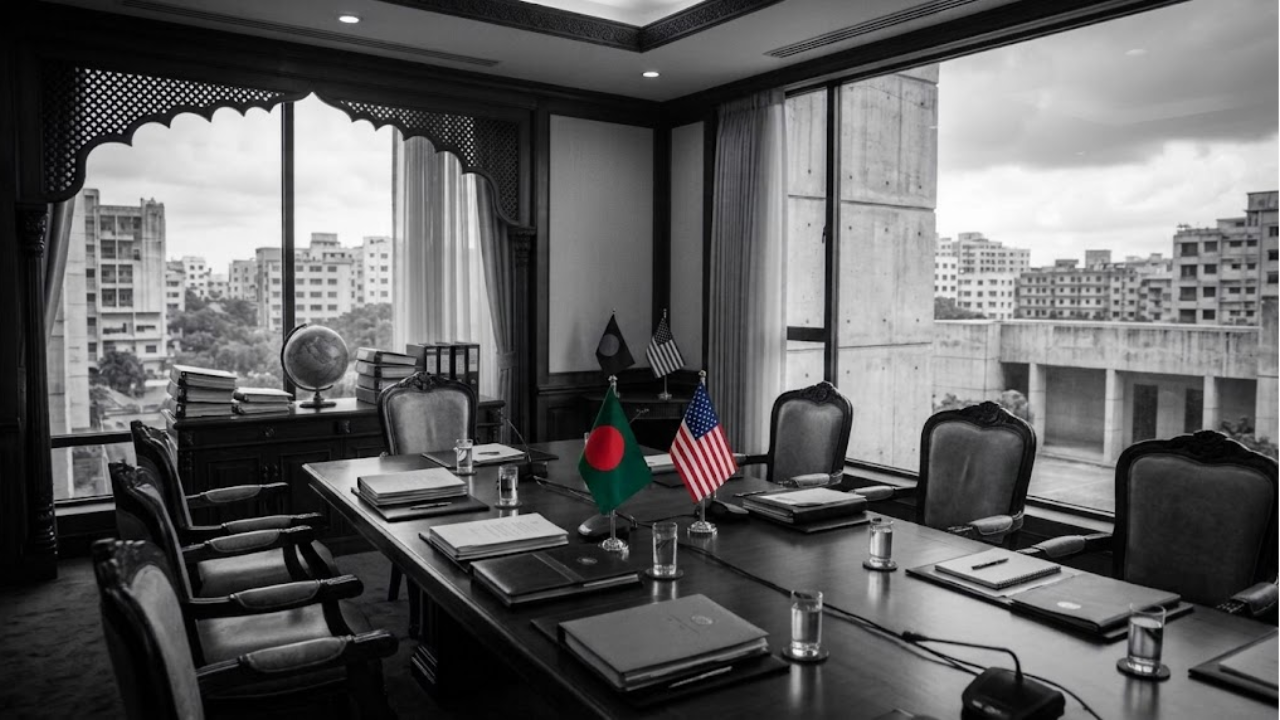
On 3 November Americans vote for a new House and about a third of the Senate. Forecasters broadly expect Democrats to win the House, while the Senate is much tighter. In Dhaka there is a temptation to treat a Democratic win as relief from unpredictable trade policy. That reading deserves scrutiny. The decisions that hurt Bangladesh most, namely tariff changes, the energy shock from the Iran war and the cuts to aid, were largely executive actions. Congress can investigate, hold hearings and refuse funds, but a presidential veto remains difficult to override. For Bangladesh, the election is less a turning point than a change in the political weather.
Where the Stakes Are Real
Trade is the first exposure. The United States is the largest single-country market for Bangladeshi garments. Since 24 July, exporters have faced a 10 percent Section 301 duty on top of the ordinary duty for each product line, which brings average garment tariffs to roughly 26 percent. The reciprocal trade agreement signed on 9 February set a 19 percent rate, but it rested on a legal basis the Supreme Court struck down on 20 February, so Dhaka has sought formal clarification on what survives. A zero-tariff pathway for apparel made with American cotton exists on paper but is not yet operating, and Washington is reportedly considering a three-year quota to make it real.
Energy is the second exposure. Bangladesh depends on imported liquefied gas, and the Gulf disruption has forced costly spot purchases after QatarEnergy halved its 2026 deliveries. Third is finance. A weak taka and higher global interest rates raise the cost of servicing foreign debt, which could nearly double by 2028-29 from its 2024-25 level, and concessional lending depends partly on American contributions to multilateral funds.
Views Worth Taking Seriously
Not every analyst sees a Democratic Congress as a clear gain. One view holds that divided government brings gridlock, budget standoffs and market volatility, which can strengthen the dollar and raise borrowing costs for emerging economies. Another is that Democrats have historically pressed harder on labor rights, and recent factory closures and unpaid wages could draw attention in a Democratic House, as Rana Plaza did before trade preferences were suspended in 2013. A third is that a Republican hold would offer continuity, since Dhaka has already built working channels with this administration. A skeptical view adds that both parties share concerns about supply chain security and transshipment, so the election would change tone more than substance.
How Bangladesh Has Prepared on Policy
The government has pursued several tracks. On trade, it secured the 10 percent Section 301 rate, below Vietnam’s 12.5 percent, sought clarity on the 19 percent rate, and kept pressing for the cotton quota. On energy, it signed a memorandum with Washington on 14 May. On labor, it amended the labor law this year to shorten the minimum wage review cycle from five years to three, and it is moving to form a new wage board, steps that address the grievances most likely to draw American scrutiny.
How Bangladesh Has Prepared on Diplomacy
The government describes its approach as Bangladesh First, meaning balanced engagement rather than alignment. Foreign Minister Khalilur Rahman met Secretary of State Marco Rubio in Manila on 22 July and invited him to Dhaka, and special envoy Sergio Gor visited on 30 July. At the same time, Dhaka is hedging. It signed an economic partnership agreement with Japan on 6 February and is pursuing deals with the European Union, Singapore, Malaysia and the United Arab Emirates. On 29 October the UN General Assembly approved a three-year deferral of its least developed country graduation, to 24 November 2029. The hedging reflects a sound instinct: no single market should decide the fate of the garment sector.
What More Could Be Done
Diplomacy in a divided Washington needs broader contacts than the executive branch. The embassy could deepen ties with both parties in Congress, especially the trade, appropriations and labor committees, and with American retailers and brands. Exporters and the commerce ministry should also model several outcomes, including a Democratic House with a Republican Senate.
Existing policy can close four gaps. The cotton quota helps only if mills can use it, so Bangladesh Bank and the National Board of Revenue should ease letter of credit and bonded warehouse rules for American cotton. Transshipment worries cross party lines, and the trade agreement commits Dhaka to a forced labor import ban, so origin and fibre checks belong in the Bangladesh Single Window. The wage board will set pay levels, but unpaid wages after closures need faster settlement. The Renewable Energy Policy 2025 targets 20 percent clean power by 2030, and faster solar projects would cut reliance on spot gas. The extra three years before graduation should go to higher-value apparel and non-garment exports.
Conclusion
Bangladesh cannot vote on 3 November, and a congressional shift will not undo the tariffs, reopen shipping lanes or lower the dollar. What it can change is the political cost of executive decisions and the tone of scrutiny on labor and trade. The best preparation is a posture that works under any result: credible domestic reforms, diversified markets, and steady relationships in both parties and at both ends of Pennsylvania Avenue.