
Naima Onamika
Commissioning Editor, The Oniket Bulletin
In rural Bangladesh, prevailing social norms and traditional value systems have a profound impact on the lives, rights, and opportunities of women. In many cases, these social rules restrict women’s personal freedom, economic empowerment, and participation in public life, often conflicting with the fundamental principles of human rights. At the same time, such discriminatory social structures also stand as a major obstacle to achieving the United Nations Sustainable Development Goals, particularly SDG 5, which focuses on gender equality and women’s empowerment. To understand the issue in depth, it is important first to examine the current position of rural women and the realities of their everyday lives.
The Impact of a Patriarchal Social Structure
In most rural areas of Bangladesh, patriarchal social systems remain deeply rooted. Within this structure, men are generally regarded as the primary decision makers and income earners of the family, while women are largely confined to household responsibilities and caregiving roles. Various studies and surveys show that a significant number of people still hold negative perceptions about women’s ability to lead, manage businesses, or participate in politics. More concerning is the fact that many women themselves, due to long standing social conditioning, often internalise these limitations.
As a result, these beliefs are passed from one generation to another, reinforcing inequality. This mindset restricts women’s mobility, access to education, employment opportunities, and participation in public life.
A Multi Layered Human Rights Concern
The impact of social discrimination on rural women is not only cultural or social; it is also a clear violation of human rights. Women spend significantly more time than men in unpaid household and care work. Their participation in the formal labour market remains relatively low, and even when they perform similar work, they are often paid less.
Ownership of land and property is also extremely limited among women, which weakens their economic independence and security. Child marriage remains a serious issue in rural society. Due to early marriage, many girls are forced to leave education, cutting short their future opportunities and reinforcing cycles of dependency and inequality. Violence against women also remains a critical human rights concern. Physical, mental, and sexual abuse continues to place many women at risk. Although laws exist to protect women’s rights, weak enforcement, social pressure, and barriers to justice often prevent victims from receiving proper legal support.
Conflict with Sustainable Development Goals
The current situation of rural women directly conflicts with several United Nations Sustainable Development Goals. Under SDG 5, all forms of discrimination and violence against women must be eliminated, harmful practices such as child marriage must be ended, and unpaid care work must be recognised. However, these challenges remain widespread in rural Bangladesh. Similarly, SDG 1 on poverty reduction is affected when women are denied access to land, credit, and technology. SDG 4 on quality education is undermined when girls drop out of school due to child marriage and poverty. SDG 10 on reducing inequality is also difficult to achieve when many women remain confined to informal and insecure employment. Naturally, this raises an important question: what can be done to change this situation and bring meaningful improvement?
Possible Pathways for Change
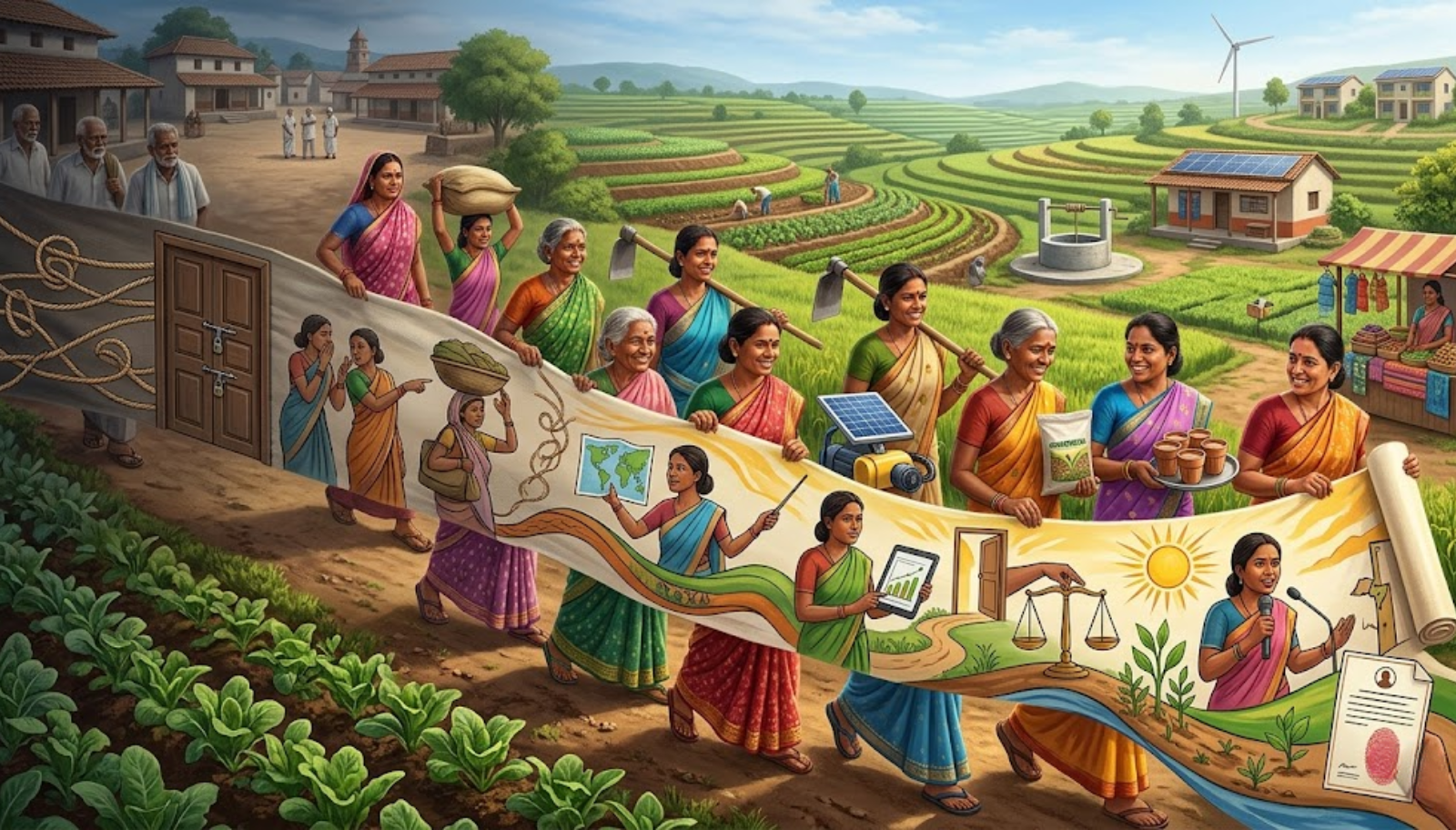
Experts suggest that addressing these challenges requires a multi-dimensional and coordinated approach. First, education systems must integrate gender sensitivity and human rights-based values so that future generations can contribute to building a more equal society. Second, community level awareness must be strengthened by engaging local organisations, community leaders, and religious figures to promote positive attitudes towards women’s rights.
Third, law enforcement agencies and the justice system must be made more effective and accountable so that victims of violence receive timely and fair justice. Fourth, women’s economic empowerment must be prioritised by improving access to land, credit, technology, and markets. At the same time, child marriage prevention, poverty reduction, and social protection programmes must be strengthened to ensure girls can continue their education.
Conclusion
Discriminatory social norms in rural Bangladesh not only hinder women’s personal development but also create major barriers to human rights, social justice, and national development. Without ensuring equal rights for women, achieving the Sustainable Development Goals will remain out of reach. Therefore, a coordinated effort involving the state, society, and families is essential to build a more inclusive and women friendly social environment. Such efforts can form the foundation of a just and equitable Bangladesh where every individual, regardless of gender, has the opportunity to thrive.