
Wahidul Islam
DTech Bangladesh
Bangladesh has set ambitious goals for power generation, yet actual output consistently trails behind planned targets. The discrepancy between aspiration and delivery can be attributed to a complex interplay of structural, financial, and institutional weaknesses that have gradually accumulated over time. We must understand the reasons behind the country’s continued shortcomings and the necessary changes to ensure its economic stability.
Why Power Generation Lag Persists
The most fundamental problem is overdependence on imported fossil fuels. From 2020 to 2025, the percentage of primary energy sourced from international imports increased from approximately 48% to over 62%. This development exposed the entire system to global price fluctuations and supply disruptions. When global markets tighten, whether due to the Russia-Ukraine conflict or tensions in the Middle East that threaten liquefied natural gas (LNG) shipments through the Strait of Hormuz, Bangladesh is immediately affected because it lacks adequate strategic reserves.
While many countries maintain fuel reserves sufficient for roughly 90 days of demand, Bangladesh’s reserves cover only about 40 days, leaving virtually no buffer against external disruptions. Domestic natural gas production, once a key source of power generation, has been declining due to insufficient investment in exploration and field maintenance. The daily demand for gas exceeds 2.5 billion cubic feet, yet supply frequently falls short, resulting in reliance on costly LNG imports. The depreciation of the Taka against the Dollar has exacerbated this challenge, leading to a rise in the cost of imported fuel in local currency.
Renewable energy, which could serve as a natural hedge against fossil fuel disruptions, contributes only about 2.3% of grid-based power generation, compared with a global average of nearly 34%. This significant disparity is the result of years of conflicting policies, inadequate procurement frameworks, and investor hesitation. The government awarded numerous power projects under the Quick Enhancement of Electricity and Energy Supply Act of 2010 without competitive bidding. Many of these projects were never successfully completed, while those that entered operation often locked the state into unfavorable terms, including large capacity payment obligations.
The consequences of these capacity payments are severe. In 2024, Bangladesh maintained a reserve margin of over 61%, indicating that a significant portion of installed capacity remained unused while the government was contractually obligated to compensate for it. Private oil-fired plants received capacity payments of approximately 9.5 Taka per kilowatt hour, while coal plants received around 5.9 Taka per kilowatt hour. This led to average generation costs that significantly exceeded those of regional peers. Bangladesh relies on oil-fired peaking plants for nearly 11% of its generation, a figure vastly higher than in India, Pakistan, and Vietnam, where the share remains well below 1%.
Infrastructure delays further constrain output. Key projects, including the Matarbari Single Point Mooring facility, have repeatedly missed deadlines, hindering the country’s capacity to manage and distribute fuel efficiently. The challenges associated with land acquisition have led to a slowdown in renewable energy projects, while the high import duties on distributed solar systems have contributed to a decline in adoption. System losses in the gas sector contribute to further inefficiency.
The political transition of 2024, which brought an interim government after widespread protests, has introduced regulatory uncertainty. The repeal of the 2010 Special Act was intended to restore transparency; however, the shift to competitive procurement has introduced new challenges. Three solar tenders floated by the Bangladesh Power Development Board received no proposals, largely due to the absence of government guarantees, standby letters of credit, and provisions for foreign exchange convertibility in the new tender documents. This lack of financial assurances renders the projects unbankable for international investors. Payment delays to existing power producers, sometimes stretching beyond a year, have further eroded lender and sponsor confidence.
What Must Be Done
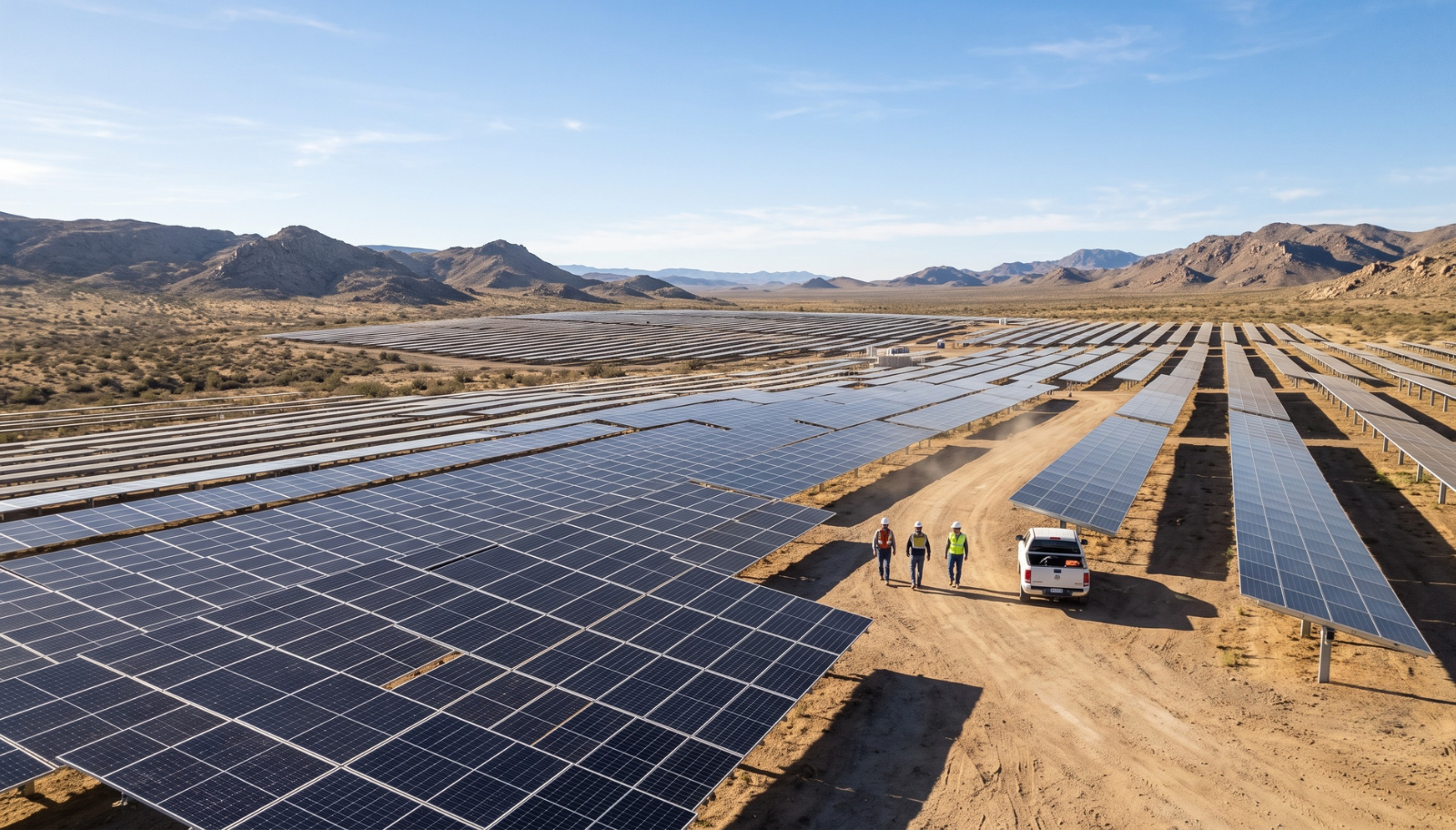
First, Bangladesh must accelerate the deployment of domestic renewable energy at scale. The Renewable Energy Policy of 2025 set targets of 20% renewable generation by 2030 and 30% by 2040, up from the negligible share today. Meeting these targets requires fixing the bankability crisis in new tenders by restoring government payment guarantees and establishing clear provisions for foreign exchange availability. Without these safeguards, capital will not flow regardless of how attractive the targets appear on paper.
Second, the excessive reserve margin must be brought under control. Contracting new fossil fuel plants while paying for idle capacity is fiscally unsustainable. The government should decline to renew or extend capacity payment contracts where plants persistently underperform, and should redirect financing toward renewable projects that carry no fuel cost risk.
Third, regional energy cooperation offers a transformative opportunity. A combined hydropower capacity of 6,000 megawatts from Nepal and Bhutan, transmitted through the BBIN framework, could reduce annual gas consumption by up to 257 billion cubic feet during the high demand months from March through September. Purchasing cost competitive renewable energy from the Indian day ahead market could also lower average generation costs.
Fourth, strategic fuel reserves must be expanded from the current 40 day threshold toward the international norm of 90 days. This requires investment in additional storage infrastructure and a coordinated procurement strategy that anticipates disruptions rather than reacting to them. A dedicated institutional body for energy security coordination would improve preparedness.
Fifth, demand side measures deserve attention. Encouraging industries to shift from captive power and gas boilers to grid electricity, improving energy efficiency across sectors, and reducing system losses in gas transmission would all decrease the pressure on supply.
Sixth, the government should waive or reduce the high import duties currently imposed on distributed renewable energy systems and establish feasible open access tariffs under Corporate Power Purchase Agreements, enabling industries to green their operations while easing demand on the national grid.
Finally, consistent investment in grid modernization is necessary to integrate variable renewable sources and ensure reliability. The power sector stands at a pivotal moment, and the reforms undertaken now will determine whether Bangladesh closes the generation gap or continues to fall further behind its targets and its potential.




Comments on “Ambitious Goals for Power Generation”