
Farah Zahir
Oniket Research Group
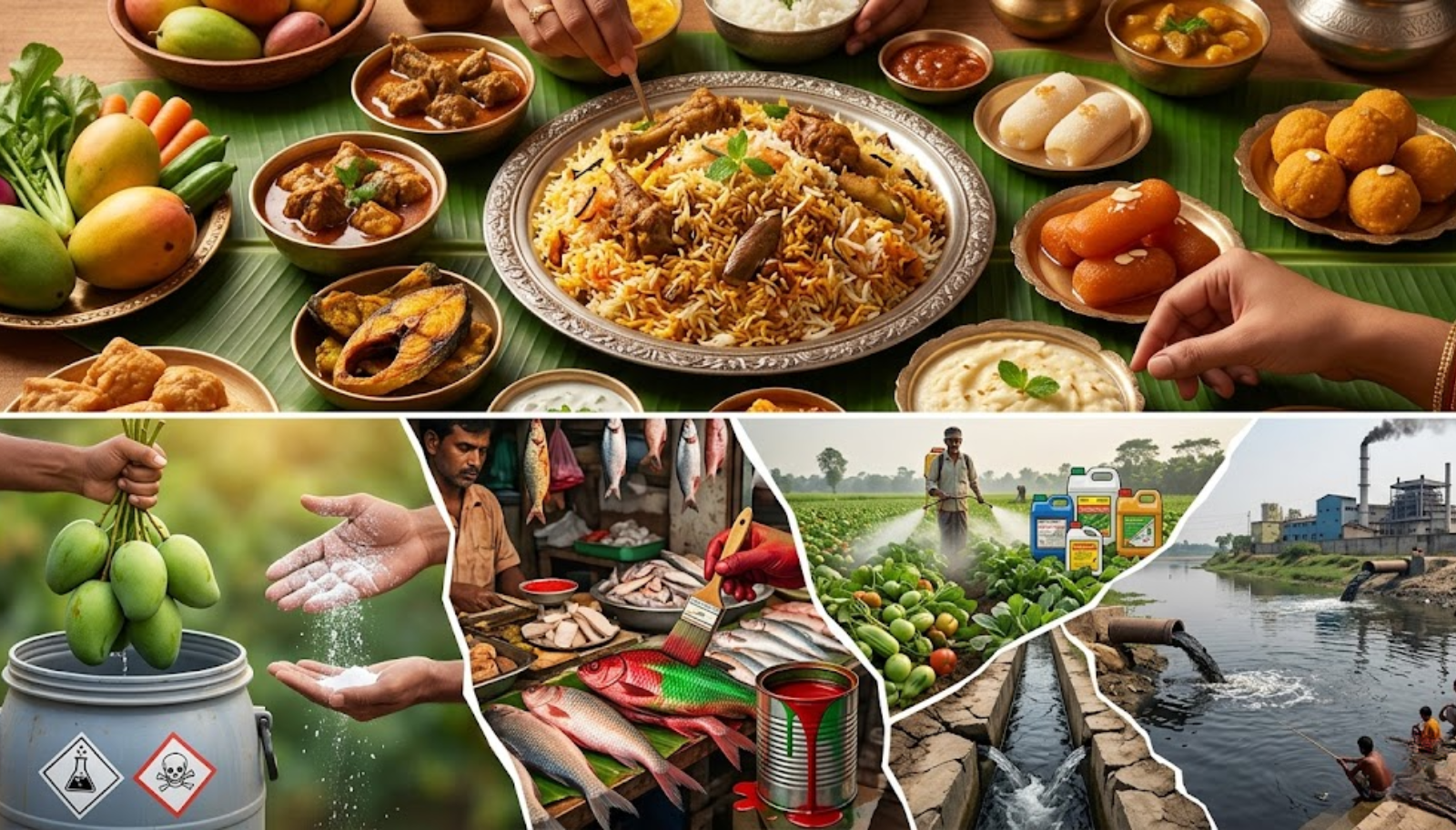
Bangladesh takes immense pride in its food culture. From bustling street corners serving fuchka and jhalmuri to restaurants offering everything from traditional biryani to modern fusion cuisine, food is deeply woven into everyday life. It is a source of livelihood, social connection, and cultural identity. Yet behind this vibrant food economy lies a growing public health concern that deserves far greater attention.
Every day, millions of Bangladeshis consume food prepared outside their homes. For many low-income and working-class families, street food and inexpensive readymade meals are not a luxury but a necessity. With the cost of living continuing to rise and household shopping baskets becoming increasingly expensive, many consumers are naturally drawn to food that appears affordable and convenient. The question, however, is whether the true cost of that food is being paid elsewhere, through compromised health and hidden safety risks.
Foodborne illnesses remain a persistent challenge across the country. Contaminated water, poor food handling practices, inadequate storage facilities, and unhygienic preparation environments create conditions where bacteria, viruses, and parasites can thrive. Diseases such as diarrhoea, typhoid, cholera, hepatitis A, and various gastrointestinal infections continue to affect thousands of people every year. In many cases, illness is never formally linked to the food consumed, creating a cycle of unreported and often unnamed health problems.
The issue is not limited to roadside vendors. Restaurant kitchens, including some establishments that appear clean and professional from the dining area, may struggle with poor hygiene practices behind closed doors. Improper food storage, reuse of cooking oil beyond safe limits, cross contamination between raw and cooked ingredients, and inadequate cleaning procedures remain common concerns. Consumers rarely have any way of knowing what ingredients are being used, how long the oil has been recycled, or whether food safety standards are being followed.
One of the most troubling realities is the economics of cheap food. When the price of cooking oil, meat, fish, vegetables, spices, and fuel continues to increase, it is reasonable to ask how some readymade meals can be sold at exceptionally low prices. The answer may sometimes lie in lower quality ingredients, excessive use of additives, repeated use of degraded oil, or compromises in hygiene and food preparation practices. While not every vendor engages in such practices, the absence of strong monitoring creates opportunities for unsafe behaviour.
From a government perspective, this challenge is both a public health issue and a governance issue. Bangladesh has important legal frameworks, including the Food Safety Act and the Bangladesh Safe Food Authority. However, enforcement remains uneven. Limited inspection capacity, inadequate laboratory facilities, and a shortage of trained personnel make it difficult to effectively monitor the vast number of food establishments operating across the country.
The path forward requires practical reforms rather than occasional enforcement drives. Food inspections must become regular, transparent, and publicly accessible. A visible hygiene rating system for restaurants and food vendors would help consumers make informed choices while encouraging businesses to maintain standards. Street food vendors should receive affordable training and certification in basic food safety practices. Local authorities must ensure access to clean water, proper waste management, and designated hygienic vending spaces.
Public awareness is equally important. Consumers should understand the health risks associated with unsafe food and demand higher standards from food providers. Educational campaigns, stronger regulatory oversight, and collaboration between health authorities, local government, and the food industry can create meaningful change.
Bangladesh’s food culture is one of its greatest strengths. Protecting that strength requires more than celebrating what is served on our plates. It requires ensuring that every meal, whether purchased from a roadside stall or a restaurant, is safe, hygienic, and worthy of public trust. The goal is not to discourage affordable food, but to ensure that affordability never comes at the expense of the nation’s health.




Comments on “Beyond the Feast: Bangladesh’s Food Quality Crisis”