
Desk Report
Oniket Desk
The lifestyles of adolescents in Bangladesh have undergone significant changes in recent years. The accessibility of technology, the proliferation of smartphones and the growing influence of social media are having a profound impact on their daily habits, mindset and physical well-being. Experts say that while regulated technology use offers benefits, unregulated digital dependence has now created new concerns for public health and social stability.
The prolonged closure of educational institutions during the COVID-19 pandemic led a significant portion of teenagers to spend more time in the virtual world. Subsequently, this habit became permanent for many. Various studies and observations have shown that many students aged 13 to 19 are spending an average of 6 to 8 hours a day on smartphones, online games, or social media. This has led to an increase in obesity, sleep problems, eye complications, and physical inactivity. At the same time, the reduction in real-life social interaction is also leading to an increase in loneliness and isolation.
However, this crisis is not merely a health issue; it also has social and political dimensions. Misleading information, provocative writings or videos, and deceptive political propaganda circulating online are easily influencing adolescents. In particular, the recent political tensions, violent videos and the unrestricted circulation of confrontational posts or video clips are fuelling anxiety, despair and emotional instability among many adolescents. Psychologists warn that, in the long term, such circumstances could give rise to social intolerance and behavioural problems.
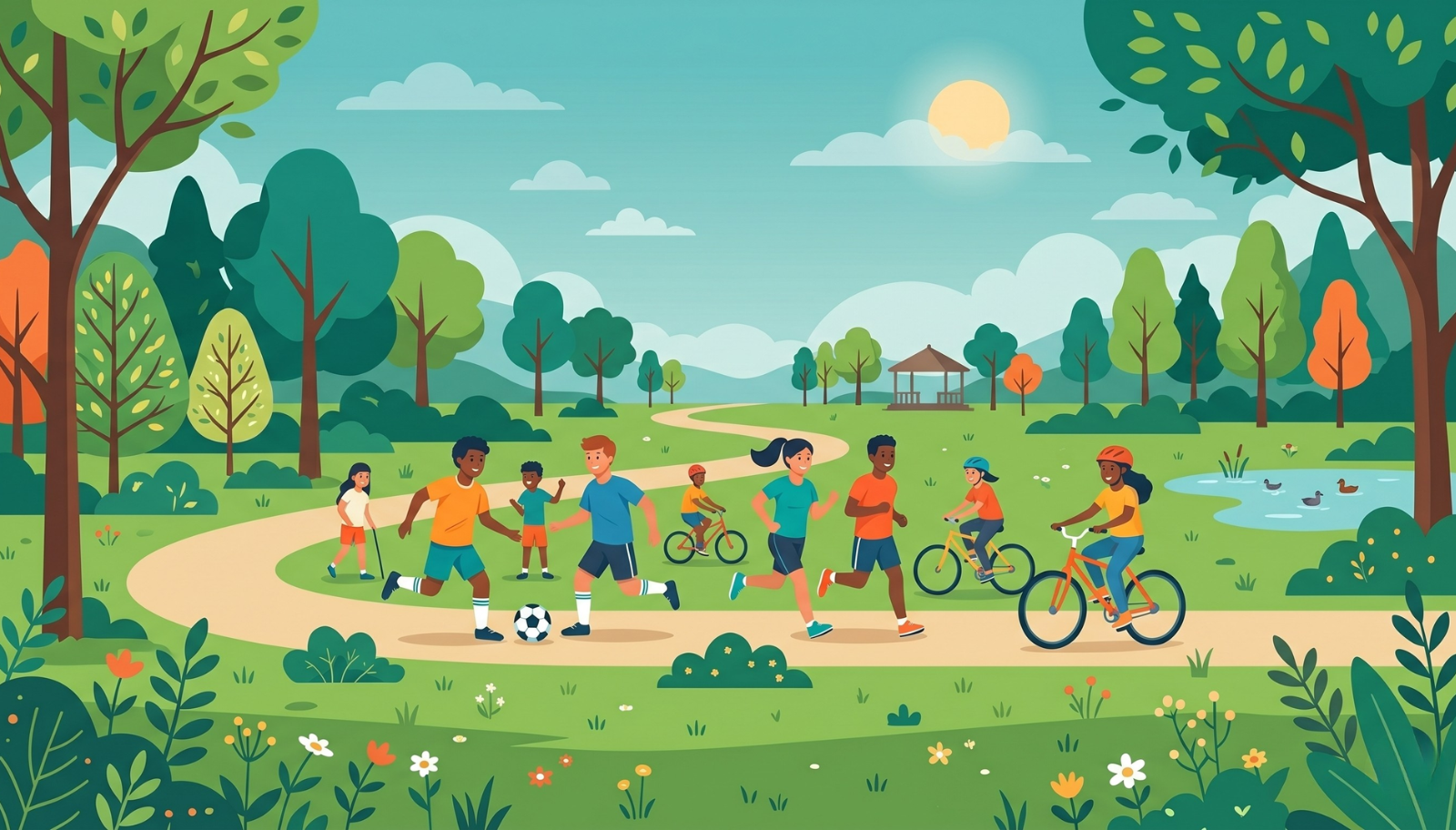
In this context, outdoor sports can be an effective preventative measure. Football, cricket, badminton, swimming or general physical exercise can play a crucial role in not only enhancing adolescents’ physical fitness but also restoring their mental stability. Regular exercise increases the release of endorphins in the body, which helps to reduce stress. Furthermore, team sports foster leadership qualities, tolerance, discipline, and a spirit of cooperation.
However, the reality is that playgrounds are rapidly disappearing in many of the country’s cities and rural areas. Urbanisation, illegal occupation, and unplanned infrastructure development have reduced the safe spaces for children and adolescents to play. Consequently, they are naturally gravitating towards technology-based entertainment indoors.
According to experts, a coordinated approach is needed to tackle this situation. Compulsory physical education must be introduced in educational institutions. Local authorities must take effective steps to preserve existing playing fields and create new ones. Sports organisations should organise regular competitions at the grassroots level. At the same time, families must also play a more proactive role in controlling their children’s screen time.
The adolescents of Bangladesh are the nation’s future human capital. If they are allowed to grow up as a generation disconnected from reality, mentally distressed, and physically weak, then society as a whole will have to bear the long-term consequences. Therefore, whilst embracing the benefits of technology, establishing outdoor sports as an essential part of life is not just a health necessity; it is a national responsibility to safeguard the future generation.

