Dr. Muntasir Feroze
University of Texas Austin, USA
Six months into the new government’s tenure, Bangladesh presents an unusual democratic setup. The Awami League, dominant for fifteen years, remains barred from political activity. Its absence is shaping every parliamentary debate. Jamaat e Islami and the National Citizen Party have instead become the principal opposition, a configuration few predicted three years ago.
This article explores what a numerically weak, internally divided opposition means for democratic consolidation, focusing on law and order, constitutional reform, and the local economy. Rather than revisiting the election’s fairness, widely seen as credible, it asks what follows when governance depends on meaningful contestation rather than how power was won.
The Arithmetic of an Uncontested Parliament
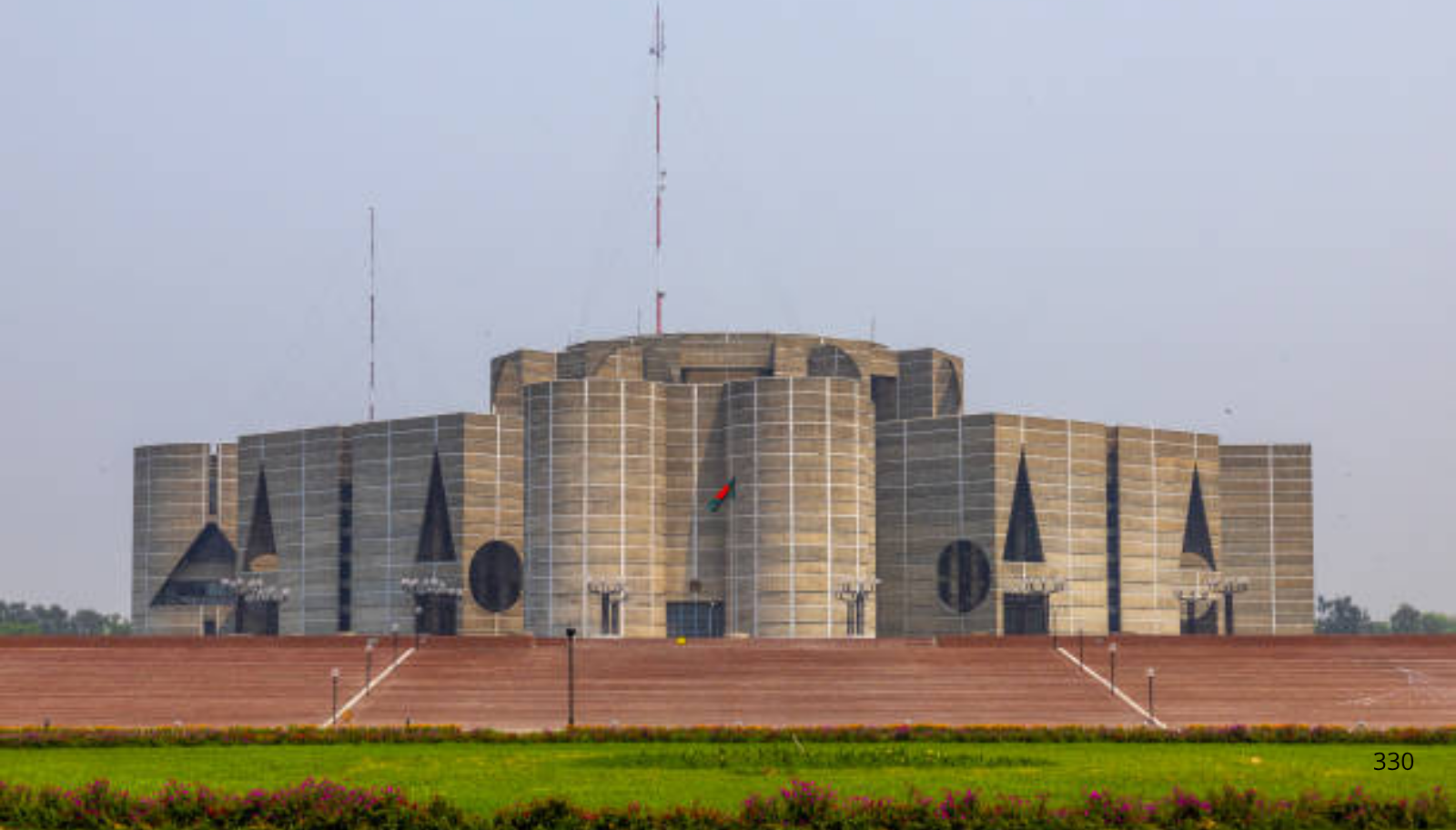
The BNP’s commanding parliamentary majority, secured with roughly two thirds of seats, has left the opposition alliance numerically overwhelmed, and the practical consequence is a legislature where government initiatives pass with minimal friction and even less scrutiny. A parliament without a credible counterweight tends to mistake the absence of resistance for the presence of consensus, and Bangladesh’s early record under its new government suggests exactly that pattern.
Law and Order Without Sustained Pressure
Analysts and independent lawmakers note that law and order has improved only marginally since the interim government’s tenure, with hundreds of abductions and enforced disappearances and thousands of killings reported over the government’s first six months. Law enforcement agencies inherited from the previous administration remain largely unrestructured, and bureaucratic elements sympathetic to the old order are believed to persist within state institutions, outwardly compliant but quietly resistant to reform.
In a functioning opposition environment, these failures would trigger sustained parliamentary pressure and force ministerial accountability. Instead, criticism has come mainly from independent voices, civil society, and opposition figures addressing a chamber too numerically weak to compel any real response.
Constitutional Reform Adrift
Constitutional reform deepens this concern. Nearly seven in ten voters backed the July National Charter’s reform proposals in the referendum accompanying the general election, a mandate implying substantive institutional restructuring. Yet implementation has lagged well behind public expectation, fueling growing frustration among political groups and citizens alike.
A weak opposition compounds this problem doubly, removing the institutional pressure that would push timely, transparent reform while denying the process the adversarial scrutiny that produces durable outcomes rather than changes shaped to suit the governing party. Reform without real contestation risks entrenching the majoritarian tendencies it was meant to correct, an irony familiar to anyone who witnessed the previous government’s consolidation of unchecked power.
Economic Drift in the Local Economy
The local economy tells a similar story of drift in the absence of accountability. Persistent energy shortages and frequent load shedding have become a defining grievance of the government’s first six months, compounded by industrial plant closures and rising unemployment concerns that sit uneasily beside campaign promises of a million new jobs. Fuel prices continue climbing, gas supply remains unreliable, and public frustration has found expression in parliamentary sarcasm rather than the sustained legislative pressure a stronger opposition might apply.
Economic mismanagement of this kind rarely gets corrected quickly when the political cost of inaction is low, and the cost remains low precisely because no rival bloc commands the numbers to threaten the government’s parliamentary comfort. A robust opposition does not merely criticize from the sidelines. It shapes budgetary debate, forces ministers to defend allocation decisions, and creates the political incentive structure that turns public complaint into policy correction.
An Opposition Divided Against Itself
The Jamaat and NCP alliance itself remains a source of considerable public unease, further undermining the opposition’s ability to serve as a credible check. Whether this coalition, pairing an Islamist party with a long and contested political history and a youth led movement born from the 2024 uprising, can hold together ideologically remain unresolved.
Internal dissent within the NCP over the alliance itself suggests the coalition’s cohesion cannot be assumed. An opposition preoccupied with managing its own internal contradictions has diminished capacity to mount the sustained, organized resistance that genuine parliamentary accountability demands.
Summary
Taken together, the evidence suggests a democracy that has cleared its first hurdle, a credible and largely peaceful election, without yet building the ongoing contestation that sustains governance over time. Law and order have stagnated rather than improved meaningfully, partly because no opposition bloc commands the numbers to force accountability on the government’s security agenda. Constitutional reform, despite a clear referendum mandate, has moved slower than the public expected, weakened by the absence of adversarial scrutiny that would otherwise push timely, balanced implementation.
The local economy continues straining under energy shortages and unemployment, with little legislative consequence for the government. The opposition itself, divided between an Islamist party and a youth movement uneasy about the alliance’s implications, lacks the internal cohesion needed to convert its seat count into sustained pressure.
None of this suggests Bangladesh’s democratic transition has failed, but it does suggest electoral legitimacy alone cannot substitute for a functioning opposition. Legitimacy earned at the ballot box is not self-sustaining. It requires a rival bloc willing and able to make that legitimacy earn its keep every day parliament sits.