
Nowshin Zinat
BRAC University
The hospitality industry is widely regarded as one of the fastest-growing sectors of the global economy. Hotels, resorts, restaurants, convention centers, travel services, and tourism-related businesses are important contributors to national income and foreign exchange earnings.
The hospitality industry in Bangladesh has shown remarkable growth over the past two decades. This growth can be attributed to several factors, including rising disposable incomes, rapid urbanization, expanding business activities, and improved connectivity. However, despite its considerable promise, the sector continues to face structural challenges that hinder its full potential.
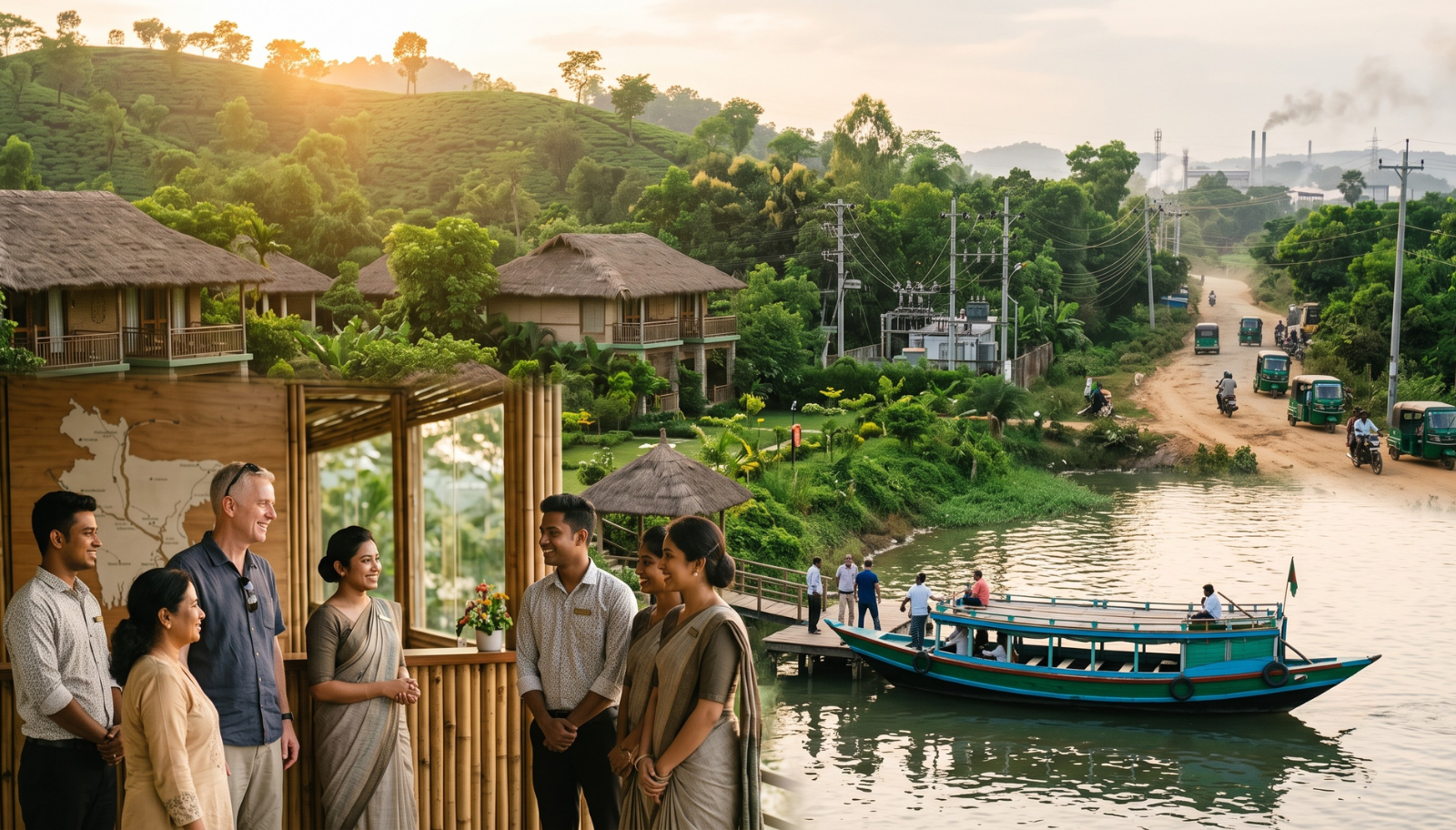
The future of Bangladesh’s hospitality industry hinges on its ability to overcome these challenges while embracing innovation, sustainability, and global standards. Bangladesh possesses significant natural and cultural assets with the potential to support a vibrant hospitality industry. From the world’s longest natural sea beach at Cox’s Bazar to the mangrove forests of the Sundarbans, the tea gardens of Sylhet, the archaeological treasures of Mahasthangarh and Paharpur, and the scenic beauty of the Chittagong Hill Tracts, the country offers a variety of attractions for both domestic and international visitors. The tourism sector offers significant opportunities for growth in religious, historical, ecological, and cultural segments.
The country’s growing economy has also led to an increased demand for hospitality services. As Bangladesh has emerged as one of South Asia’s fastest-growing economies, there has been a substantial increase in business travel. International investors, development partners, multinational corporations, and foreign buyers regularly visit Bangladesh, creating strong demand for quality hotels, serviced apartments, conference facilities, and restaurants. Domestic tourism has also expanded as the middle class has increased its spending on leisure travel and family holidays.
The emergence of international hotel brands has further strengthened the industry’s outlook. Several globally recognized hotel chains have established operations in Dhaka and other major cities, bringing international service standards, professional management practices, and advanced technologies. Their presence has encouraged local operators to improve quality and invest in better facilities, raising the industry’s overall competitiveness.
Another promising area is the meetings, incentives, conferences, and exhibitions (MICE) market. Bangladesh’s growing economy, advantageous location, and increasing international engagement create opportunities to host regional business conferences, trade exhibitions, corporate events, and diplomatic gatherings. The development of modern convention centers and integrated hospitality infrastructure has the potential to position the country as an attractive destination for international business events.
The digital revolution has also created new opportunities. Online booking platforms, digital payment systems, customer review websites, and social media marketing have enabled hospitality businesses to reach wider audiences at relatively low cost. Small boutique hotels, eco-resorts, and family-owned guesthouses can now compete more effectively by promoting unique experiences through digital channels.
Despite these encouraging developments, the hospitality industry faces numerous challenges. Infrastructure continues to represent a significant challenge. While significant advancements have been made in infrastructure, including roads, bridges, airports, and expressways, transport connectivity to many tourist destinations remains inadequate. Limited public transportation, traffic congestion, and inconsistent urban planning can negatively affect visitor experiences and discourage repeat tourism.
Human resource development represents a substantial challenge. The hospitality industry is characterized by its service-intensity, which means that customer satisfaction is contingent on the skills, professionalism, and communication of its employees. Bangladesh continues to experience a shortage of trained chefs, hotel managers, housekeeping professionals, tour guides, and multilingual customer service staff. Although the hospitality education sector has seen significant growth in recent years, greater collaboration between educational institutions and industry is necessary to ensure that graduates possess practical skills that meet international standards.
In the current business environment, environmental sustainability is a critical factor for consideration. If not managed effectively, rapid tourism development can lead to various environmental issues, including pollution, waste generation, and the destruction of natural habitats. This can put pressure on fragile ecosystems. Popular destinations such as Cox’s Bazar and Saint Martin’s Island have already experienced environmental stress due to uncontrolled development and inadequate waste management. Sustainable tourism practices must become central to future industry growth. These practices include responsible construction, energy efficiency, water conservation, and effective waste disposal.
The factors of safety and security also play a crucial role in determining the competitiveness of any tourism destination. International travelers have certain expectations regarding the quality of services and amenities they can expect to receive when traveling abroad. These expectations include reliable transportation options, quality healthcare facilities, emergency response systems, and a secure environment. Continued investment in public safety, disaster preparedness, and visitor services will strengthen Bangladesh’s reputation as a welcoming destination.
Marketing remains another area requiring attention. Despite its abundant natural beauty and cultural heritage, Bangladesh receives comparatively few international tourists compared with many neighboring countries. To enhance its global visibility, the country should implement a comprehensive destination branding strategy, coordinate international marketing campaigns, participate in global tourism fairs, and establish partnerships with airlines and travel operators.
Government policy will play a pivotal role in shaping the industry’s future. Simplifying investment procedures, improving tourism infrastructure, offering incentives for sustainable hospitality projects, and strengthening public-private partnerships can encourage both domestic and foreign investment. Maintaining regulatory consistency and implementing efficient licensing processes will further enhance investor confidence.
Innovation in the private sector is equally crucial. Hospitality businesses should consider making investments in the following areas: digital transformation, customer experience management, sustainable operations, and workforce development. Personalized services, smart hotel technologies, local cultural experiences, and environmentally responsible practices are becoming increasingly important factors influencing travelers’ choices.
The hospitality industry also has tremendous potential to generate employment. A wide range of businesses stand to benefit from tourism-related activities, including hotels, restaurants, transport services, event management companies, handicraft producers, and local food suppliers. These roles offer significant opportunities for women and young professionals, contributing to the industry’s role in inclusive economic growth and poverty reduction.
Bangladesh is currently at a critical juncture in its development. With sustained economic growth, expanding infrastructure, and increasing international engagement, the hospitality industry is poised to become a significant contributor to the national economy. However, realizing this potential will require strategic planning, skilled human resources, sustainable development, effective marketing, and close collaboration between government and the private sector.
The future of Bangladesh’s hospitality industry is promising. The country’s unique attractions, entrepreneurial spirit, and growing domestic market provide a strong foundation for success. By addressing its existing challenges and adopting international best practices, Bangladesh can position itself as a competitive destination for business and leisure travelers alike, transforming hospitality into a powerful engine of economic growth, employment, and national development.