
Iftekhar Rahman
Verdant Global
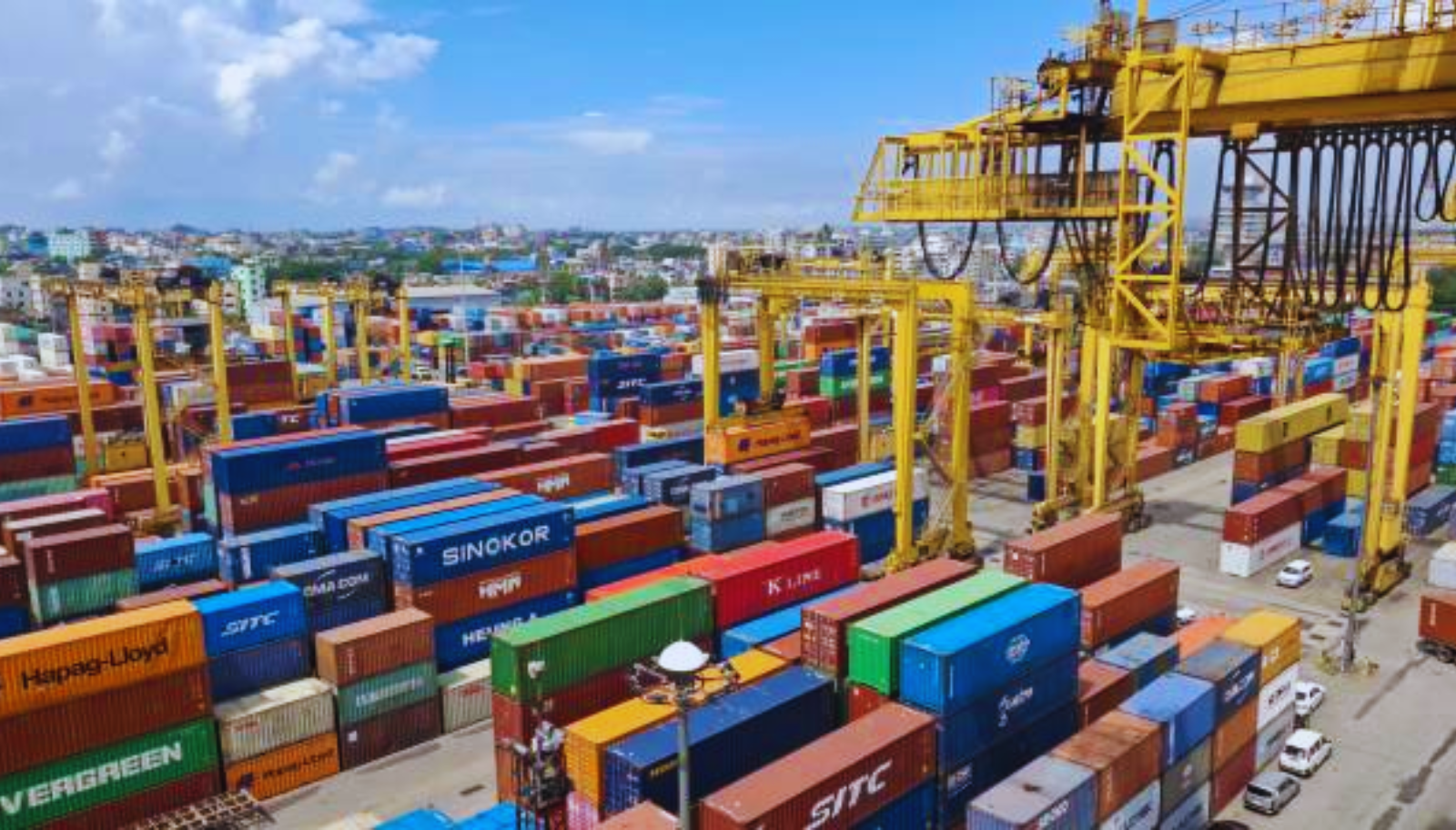
Bangladesh’s renewed engagement with DP World over the proposed operation of the New Mooring Container Terminal, and the possible inclusion of the adjoining Chattogram Container Terminal, should not be judged through a simplistic lens of foreign investment versus national sovereignty.¹ The more important policy question is whether Bangladesh can structure a concession that brings global operating expertise, investment and logistics efficiency while preserving public value, labour stability and strategic control over the country’s principal maritime gateway.
The answer depends less on the identity of the foreign operator and more on the discipline of the concession framework.
Chattogram Port is not an ordinary commercial asset. It is the operating artery of Bangladesh’s external trade, and any long-term concession over its key container facilities must satisfy a higher public-interest test than standard infrastructure outsourcing. DP World’s port-management experience can be valuable. Bangladesh needs faster berth productivity, reduced container dwell time, stronger digital systems and better connectivity between port, rail and inland logistics. If properly structured, such improvements could reduce trade friction, strengthen export competitiveness and lower hidden logistics costs borne by businesses and consumers.
However, efficiency gains are not automatic. They must be contractually secured, independently monitored and publicly defensible.
The first requirement is transparency. Recent reporting indicates that DP World has sought detailed revenue, cost and manpower information relating to NCT operations.² Such information may be commercially necessary, but it also underlines the need for a clear governance framework around valuation, data-sharing and accountability. The government should disclose the policy rationale, procurement basis, valuation methodology, risk-allocation principles, tariff framework and expected public benefits. Commercially sensitive bid data can remain confidential, but the public should know why the asset is being concessioned, how value-for-money has been assessed and what safeguards protect national interest.
Second, the concession must include binding investment obligations. A transaction that merely transfers operation of an already profitable public asset would be difficult to justify. The public interest case becomes stronger only if the concessionaire is required to deliver measurable capital investment, equipment modernisation, digital port systems, yard optimisation, productivity improvements and, where relevant, inland logistics integration. These commitments should be time-bound, independently verified and linked to enforceable remedies, including penalties, cure rights, step-in rights or termination triggers. Bangladesh should exchange operational access only for measurable performance.
Third, labour risk must be treated as a core transaction risk, not as an implementation afterthought. Reports of port-worker opposition and legal challenges around the proposed NCT arrangement show that social acceptance cannot be assumed.³ A credible labour compact should include employment-protection principles, retraining commitments, occupational safety standards, consultation mechanisms and a defined transition plan. If efficiency is pursued through abrupt workforce rationalisation, the result may be industrial disruption rather than operational improvement. Labour stability is therefore not only a social concern; it is a commercial and national logistics risk.
Fourth, Bangladesh must manage concentration risk, both commercial and strategic. The reported proposal to include CCT alongside NCT raises legitimate competition if both facilities are placed under one operator.⁴ A concessionaire should earn a fair return for investment and efficiency, not excessive rent from captive users. Handling charges, service standards, vessel waiting times, equipment availability, berth productivity and complaint mechanisms should be governed through transparent performance indicators and tariff discipline.
The geopolitical dimension also matters. Chattogram sits within the wider Bay of Bengal strategic theatre, where port infrastructure and logistics corridors increasingly carry diplomatic and economic significance.⁵ A concession to DP World may help Bangladesh diversify port partnerships, but operational control, commercial data access, tariff influence and future expansion rights should not create dependency on a single external operator or constrain Bangladesh’s ability to balance relationships with India, China, Japan, multilateral lenders and Gulf investors.
Finally, concession tenure must be commercially reasonable but strategically flexible. DP World has reportedly sought reconsideration of the proposed 15-year term, citing the investment required for terminal modernisation.⁶ A longer concession may be justified where capital commitments are substantial, but only if it includes periodic review, rebalancing clauses, technology-upgrade obligations, change-in-law protections and public-sector step-in rights. Long tenure without disciplined review can lock Bangladesh into a static bargain while trade patterns, technology and geopolitical conditions evolve.
Bangladesh should welcome credible foreign investment in ports and logistics. But strategic infrastructure requires strategic contracting. The objective should be to secure a bankable, auditable and publicly defensible concession in which efficiency, sovereignty and national interest are protected together.
References
¹ Barua, D. ‘Govt advances talks with DP World on NCT operations’, The Daily Star, 5 May 2026. Available at:
² Barua, D. ‘Govt advances talks with DP World on NCT operations’, The Daily Star, 5 May 2026. Available at:
³ Staff Correspondent. ‘SC clears govt to lease out NCT to DP World’, The Daily Star, 13 March 2026. Available at:
⁴ Prothom Alo English. ‘Chittagong Port: DP World seeks CCT alongside NCT’, Prothom Alo, 5 May 2026. Available at:
⁵ Bonik Barta English. ‘Chittagong port caught in the currents of Bay of Bengal geopolitics’, Bonik Barta, 19 November 2025. Available at:
⁶ Barua, D. ‘Govt advances talks with DP World on NCT operations’, The Daily Star, 5 May 2026. Available at:

