
Sheikh Selim
Oniket Research Group
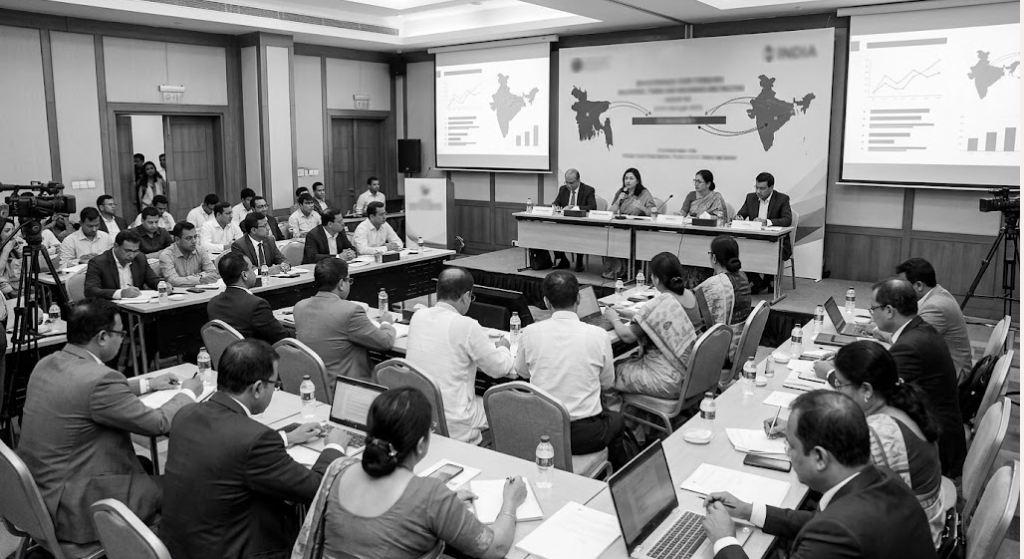
Bangladesh and India share one of South Asia’s most significant trading relationships, and it is now entering a critical phase. At the 16th meeting of the Bangladesh-India Joint Working Group on Trade, held in New Delhi, Dhaka made a clear request: that preferential market access to India continue after Bangladesh graduates from Low-income Country status.
The request reflects a broader effort to protect export competitiveness at a time when the country’s trade rules are about to change. This article examines the state of bilateral trade, explains what the talks mean for the business and commerce of Bangladesh, and highlights the key reforms that could strengthen both the Bangladesh economy and the wider relationship with India.
A Neighboring Market with Unmatched Potential
India ranks among Bangladesh’s biggest trading partners and is its largest regional source of imports. Cotton, yarn, spices, food and industrial inputs cross the border daily to supply Bangladeshi factories and households, while Bangladesh sends back garments, jute goods, processed foods, plastics and pharmaceuticals. Geography helps both sides: short transit times, lower freight costs and cultural familiarity make it easier for small and medium businesses to trade.
The balance, however, is lopsided. Bangladesh buys far more from India than it sells, a gap that has long worried policymakers in Dhaka. Closing it depends less on demand, which is already there, than on removing the barriers that keep Bangladeshi goods from reaching Indian buyers smoothly.
Protecting Export Gains as Preferences Fade
Graduating from low-income status is a source of national pride, but it comes at a commercial cost, as many duty-free and quota-free privileges will erode. In the Indian market, Bangladesh has asked to retain the tariff benefits it currently enjoys under the South Asian Free Trade Area agreement. For exporters, the gap between zero and standard tariffs can decide whether an order is won or lost. Garment makers, jute millers and food processors work on thin margins, and even small duty increases could push buyers toward competitors in Vietnam or Sri Lanka.
Continued preferential access would give businesses time to adapt, diversify and raise productivity. It would also signal that India views Bangladesh’s progress as a shared regional gain rather than a competitive threat.
Clearing the Hurdles Beyond Tariffs
The talks went well beyond tariffs. Bangladesh pressed for the removal of land port restrictions and non-tariff barriers, which often hurt exporters more than duties do. Testing requirements, certification delays and inconsistent procedures raise costs and create uncertainty. Dhaka called for harmonized product standards, mutual recognition and simpler Bureau of Indian Standards certification, since repeated approvals are especially costly for small exporters.
Bangladesh also urged India to withdraw anti-dumping duties on jute products and PET film. Jute supports farmers, traders and mill workers alike, so resolving these disputes would restore confidence among producers invested in the Indian market.
Building Better Borders and Stronger Links
Trade depends on infrastructure as much as policy. Bangladesh proposed upgrading India’s land customs stations with better access roads, parking yards, warehouses, and inspection and quarantine facilities. Border congestion leaves trucks idle, spoils perishables and raises costs for both sides, while faster clearance would make Bangladeshi goods more competitive.
Dhaka also seeks wider truck access through Indian territory to Nepal and Bhutan, which would open two more markets. Discussions further covered the Akhaura-Agartala route, rail connectivity and border haats, which sustain small-scale trade and local livelihoods.
Indian Priorities and the Search for Common Ground
The talks were not one-sided. India raised its own agenda, including the removal of restrictions on exports of cotton yarn and other products to Bangladesh through certain land ports, and barriers facing exports from its northeastern states. These concerns deserve serious consideration. Bangladeshi spinners and garment makers rely on Indian yarn, so predictable access benefits Bangladeshi industry as well. A balanced settlement in which both sides ease restrictions would strengthen trust and give each government a stronger story to tell its business community.
Five Reforms That Could Reshape the Partnership
Several reforms stand out for their potential. Retaining SAFTA tariff benefits after graduation would protect export earnings and jobs during a sensitive transition. Harmonized standards and mutual recognition of certification would cut compliance costs and speed up shipments. Removing land port restrictions and modernizing customs stations would lift the physical capacity of trade, while resolving anti-dumping disputes would restore stability for sectors such as jute. Expanded transit and connectivity arrangements would tie the sub-region closer together economically.
If these reforms advance, the benefits for Bangladeshi commerce would be tangible. Exporters would enjoy lower costs and greater predictability, importers would see a smoother supply of inputs, and small traders along the border would gain from better facilities. Over time, a more open trade relationship could draw investment into logistics, warehousing and manufacturing, creating jobs in regions that need them. A stronger trade partnership would also reduce the temptation toward informal trade, bringing more activity into the formal, taxable economy.
Turning Dialogue into Lasting Cooperation
The Joint Working Group may be a modest forum, but it is where practical problems get solved, and both delegations’ willingness to table proposals and hear each other’s concerns is encouraging. Bangladesh wants to keep the Indian market open as its economic status changes, while India gains a reliable neighbor and a growing consumer market in a stable Bangladesh.
Trade ties build habits of cooperation that reach energy, transport and security. If both governments deliver on these reforms, the partnership could grow more resilient and carry Bangladesh confidently through graduation.



