
Siddique Bappee
Oniket Research Group
Artificial intelligence, or AI, has become an indispensable part of our daily lives. From medicine to education, from business to creative work, AI is standing by humanity in every sphere, making tasks easier. But behind this convenience, an important question is gradually emerging: is excessive reliance on AI slowly weakening our own cognitive abilities?
Intellectual Surrender: A New Concern
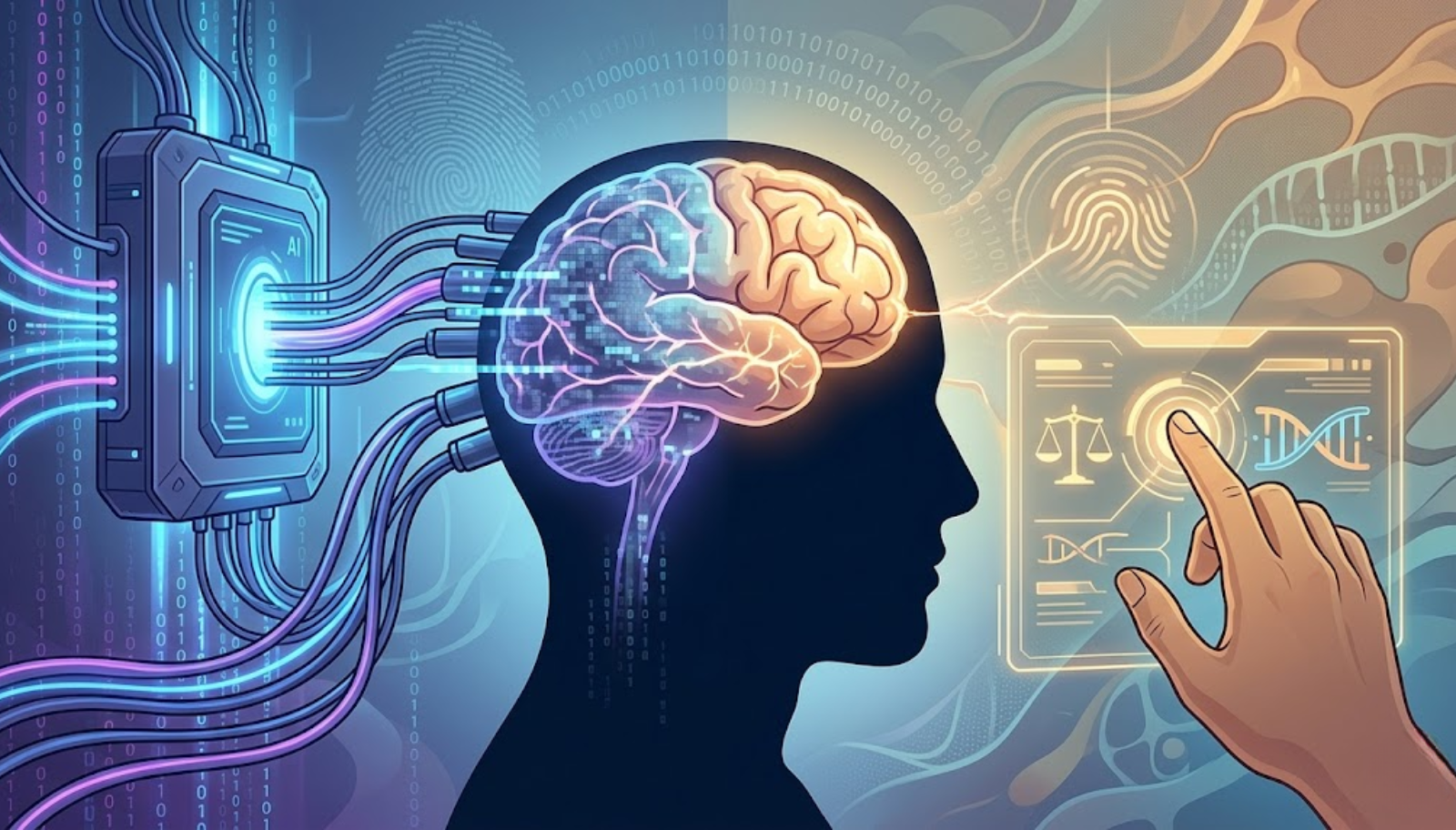
Recent research and observations have highlighted a new trend, which researchers are calling “cognitive surrender”. The widespread reliance on large language models like ChatGPT is causing people to gradually lose their ability to analyse, reason, and solve problems independently. According to experts, when technology performs the task of thinking on our behalf, the brain loses the opportunity to use these skills and its functionality gradually diminishes.
A study by Natalia Kosminar, a researcher at the Massachusetts Institute of Technology in the United States, has deepened this concern. In an experiment where students were tasked with writing an essay, it was found that those who used AI had significantly lower brain activity. In contrast, the brains of those who wrote independently were much more active. More worryingly, the students who relied on AI were also unable to recall the content of their own writing, suggesting a direct negative impact of AI dependency on memory.
Long-Term Impacts: Memory, Creativity, and Mental Health
Researchers are warning that AI-dependent “cognitive laziness” could have profound negative effects on memory and creativity in the long term. Some even fear that this trend could increase the risk of complex mental illnesses, such as dementia, in the future. The brain is a muscle; the more it is used, the stronger it becomes. But if AI continually robs us of the opportunity for that exercise, it is not unusual for brain function to deteriorate.
Particularly concerning is the impact on the younger generation. During childhood and adolescence, the brain develops most rapidly and profoundly. If reliance on AI replaces independent thought during this period, the critical thinking and analytical skills of an entire generation could be jeopardised.
The Path to a Solution: Striving for Balance
However, experts also remind us that AI itself is not the problem; the problem lies in its unrestrained and unconscious use. When used correctly, AI can be a powerful tool for enhancing human capabilities. Their advice is that in the early stages of learning, the effort to think for oneself, to analyse, and to find solutions must be given the highest priority. AI should be used as an aid, not as a replacement.
Educational institutions, families, and policymakers also need to play a conscious role in this matter. The time has come to place the creation of ethical guidelines for AI use, the promotion of digital literacy, and the practice of creative, critical thinking at the centre of the curriculum. Technology should serve humanity, not humanity be enslaved by it. Let maintaining this balance be our primary goal.




Comment on “Artificial Intelligence and the Human Brain: The Dangers of Overdependence and the Necessary Measures”